
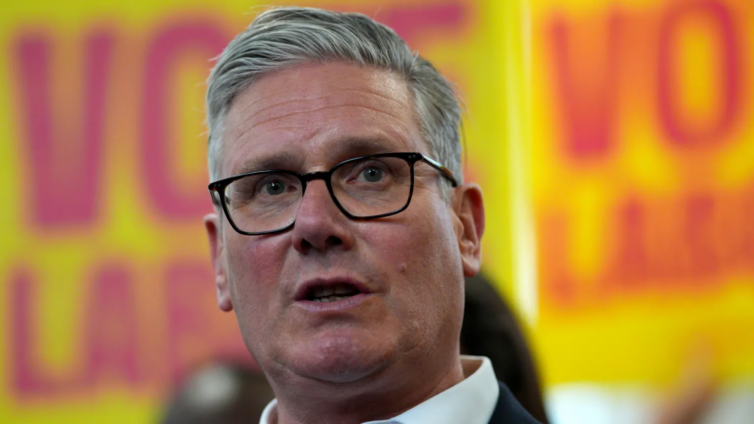

Political pressure is mounting on British Prime Minister Keir Starmer following a crushing performance by his party in the latest local elections, with critics and opposition figures questioning his leadership and demanding major changes at the top of government.
The local election results, which were closely watched across the United Kingdom, delivered a serious setback for the ruling administration as voters expressed frustration over economic hardship, rising living costs, public service concerns, and dissatisfaction with the pace of reforms.
Several councils and key local seats reportedly slipped away from Starmer’s party, triggering intense reactions from political analysts and members within his own political camp. Some lawmakers and grassroots supporters are now openly debating whether the Prime Minister remains the right person to lead the party into the next general election.
The disappointing outcome has sparked headlines across British media, with some commentators describing the results as a “wake-up call” for the government. Critics argue that despite promises of stability and economic recovery, many voters still feel disconnected from the administration’s policies and leadership style.
Opposition parties wasted no time in capitalizing on the results. Rival politicians claimed the elections reflected growing public anger over inflation, taxation, housing pressures, and concerns about immigration and healthcare services.
Some political observers believe the elections may mark a turning point in British politics, especially if internal dissatisfaction within the governing party continues to grow. Analysts say local elections are often seen as an indicator of public mood ahead of national elections, making the losses particularly damaging for Starmer’s authority.
Despite the backlash, Prime Minister Keir Starmer has attempted to project confidence. In his response to the election outcome, he acknowledged voter frustrations but insisted his government remains focused on delivering economic growth, improving public services, and restoring trust in politics.
He also urged party members not to panic, arguing that governments often face setbacks in local elections and that his administration still has time to reconnect with voters before the next national polls.
However, pressure from critics continues to intensify. Some commentators argue that the Prime Minister failed to inspire strong public confidence during the campaign period, while others believe the government underestimated the level of economic dissatisfaction among ordinary citizens.
The election losses have also reignited debates about the future direction of British politics, with growing support for smaller parties and independent candidates in several regions. Analysts warn that traditional political loyalties appear to be weakening as voters increasingly demand immediate solutions to economic and social challenges.
As discussions over leadership, reforms, and political strategy continue, many observers believe the coming months could prove critical for United Kingdom Prime Minister Keir Starmer and the future of his government.
Source
