
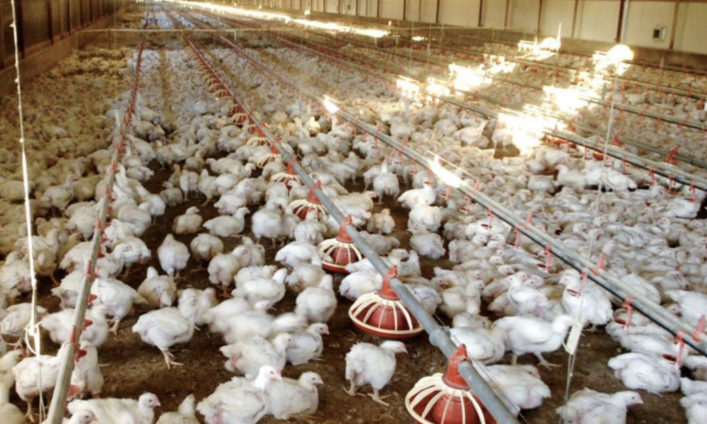

The National Coordinator of the Nkoko Nketenkete Programme has urged Ghanaians to actively patronise locally produced chicken to help sustain the initiative and strengthen the country’s poultry industry.
According to the Coordinator, increased support for locally raised chicken would not only boost poultry production but also create jobs, improve food security, and reduce Ghana’s heavy dependence on imported frozen chicken products.
Speaking at an engagement with poultry farmers and industry players, the Coordinator stressed that the success of the Nkoko Nketenkete Programme largely depends on consumer confidence and consistent demand for local poultry products.
He noted that despite efforts by government and stakeholders to revive the poultry sector, imported chicken continues to dominate the market, making it difficult for local farmers to compete and expand their operations.
The Coordinator explained that the programme was introduced to support poultry farmers with resources, training, and improved production systems aimed at increasing local chicken production across the country. However, he warned that without strong public support for locally produced chicken, the long-term sustainability of the initiative could be threatened.
He encouraged households, restaurants, hotels, schools, and other institutions to prioritise Ghanaian chicken products, describing it as a practical way of investing in the local economy.
“Every time consumers choose locally produced chicken, they are supporting Ghanaian farmers, preserving jobs, and helping the poultry industry grow,” he stated.
Industry players at the event also appealed to government to continue providing affordable feed, veterinary support, and access to credit facilities to help poultry farmers remain competitive.
Some farmers expressed optimism that increased awareness and public education campaigns would encourage more consumers to appreciate the quality and freshness of locally produced chicken.
The Nkoko Nketenkete Programme forms part of broader efforts to revitalise Ghana’s agricultural sector and promote self-sufficiency in food production while reducing import expenditure on poultry products.
