
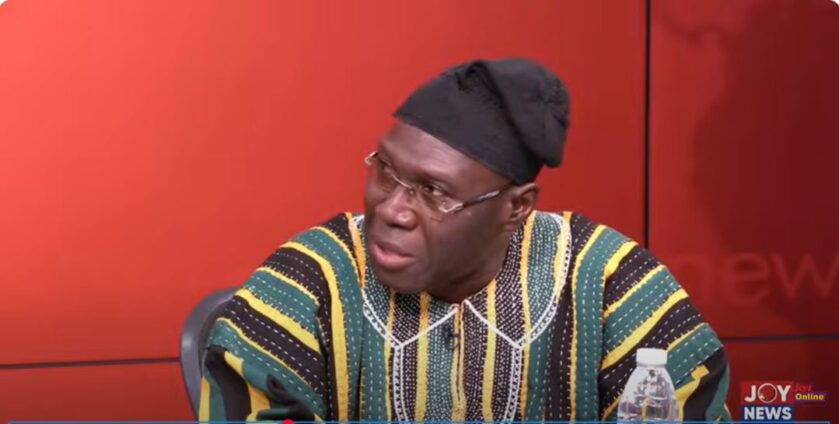

Former Minister of Lands and Natural Resources and legal practitioner Inusah Fuseini has clarified that Ghana’s Electronic Communications Act was not designed to regulate the professional conduct of journalists, but rather to govern electronic communications and broadcasting operations.
According to him, the law is often misinterpreted or misapplied in ways that risk infringing on press freedom and the independence of media practitioners. He stressed that while the Act provides a framework for regulating electronic communication services, it does not give authorities the mandate to police journalistic ethics or editorial decisions.
Fuseini made the comments in reaction to ongoing public debates about media regulation and concerns from journalists’ groups over perceived attempts to use communications laws to control or intimidate the press. He argued that such practices, if allowed to persist, could undermine democratic accountability and freedom of expression in Ghana.
He explained that professional misconduct by journalists is ordinarily governed by ethical codes established by media regulatory and professional bodies, rather than statutory instruments like the Electronic Communications Act. “The law is clear in its scope. It deals with communications infrastructure and licensing, not editorial control or journalistic conduct,” he emphasized.
His remarks come amid renewed conversations about media regulation, misinformation, and the balance between national security concerns and press freedom. Some stakeholders have recently called for stricter oversight of media content, especially on electronic platforms, citing the rise of misinformation and sensational reporting.
However, media advocacy groups continue to caution against any regulatory measures that could be interpreted as censorship. They maintain that existing legal frameworks, including defamation laws and internal professional standards, are sufficient to address misconduct within the media space.
Fuseini’s intervention adds to the broader national debate on how to strengthen accountability in journalism without eroding constitutional guarantees of free speech and independent media practice.
Source
