
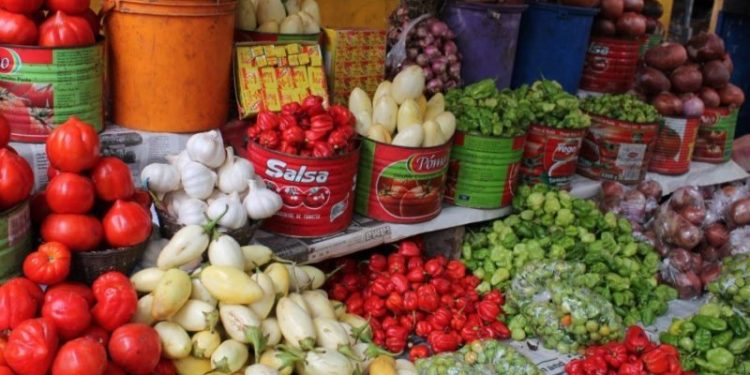

Rising food prices drove inflation higher in May, with the annual rate climbing to 3.7 percent, according to the latest data released by the national statistics authority.
The increase marks a notable rise from the previous month’s inflation rate and reflects growing pressure on household budgets as the cost of essential food items continues to surge across markets.
Data from the statistics agency showed that food inflation remained the primary contributor to the overall increase in consumer prices. Prices of staple commodities, including cereals, vegetables, fruits, meat products and other basic food items, recorded significant increases during the month under review.
Economists say adverse weather conditions, supply chain challenges and rising transportation costs may have contributed to the higher food prices. The situation has placed additional strain on consumers, particularly low-income households that spend a larger share of their income on food.
Non-food inflation, which measures price changes in goods and services excluding food items, remained relatively stable compared to food inflation. However, increases in utility costs, transportation services and selected consumer goods also contributed to the overall rise in prices.
The latest inflation figures are expected to attract close attention from policymakers and financial analysts, as they assess the potential impact on economic growth, consumer spending and monetary policy decisions.
Business operators and traders have expressed concerns over the rising cost of doing business, citing increased expenses associated with transportation, storage and the procurement of goods. Some market traders have warned that prices could continue to rise if current supply constraints persist.
Meanwhile, consumer advocacy groups have called for measures to stabilize food prices and improve agricultural productivity to cushion households from the effects of inflation.
Analysts believe that future inflation trends will largely depend on developments in food production, exchange rate stability and global commodity prices. They have urged authorities to implement policies aimed at strengthening domestic food supply and reducing market inefficiencies.
The May inflation rate of 3.7 percent underscores the continued importance of food prices in shaping the overall cost of living and highlights the challenges facing consumers amid persistent price pressures.
Source
