
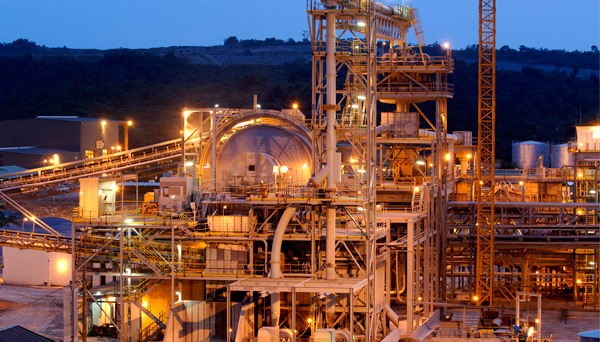

The growing debate surrounding the lease arrangements involving and the Tarkwa mine has sparked renewed national conversations about resource ownership, investor confidence, and Ghana’s long-term economic interests. While calls for greater local participation and increased state benefits from the country’s mineral wealth continue to gain traction, analysts warn that Ghana must approach the matter with caution to avoid unintended consequences for the mining sector and the broader economy.
The controversy has emerged amid discussions over the future of mining leases and the role multinational mining companies continue to play in Ghana’s extractive industry. Some stakeholders believe the country should seek better terms that reflect the rising value of gold on the international market, while others argue that abrupt policy decisions or hostile rhetoric could undermine investor trust.
Industry experts note that Ghana’s mining sector remains one of the country’s most critical sources of foreign exchange, employment, and tax revenue. Companies such as have operated in Ghana for decades, investing heavily in infrastructure, technology, and community development projects in mining areas including Tarkwa.
However, concerns have also been raised about whether Ghana is receiving sufficient long-term benefits from its natural resources. Critics argue that many mining agreements signed years ago may no longer reflect current economic realities, particularly with global gold prices remaining relatively strong. This has fueled calls for government to renegotiate aspects of certain agreements in a manner that prioritizes national interest.
Despite these concerns, economic observers caution against emotionally driven decisions that could create uncertainty within the investment community. According to analysts, mining investments often involve long-term financial commitments worth billions of dollars, and investors closely monitor the stability of regulatory and contractual frameworks before expanding operations.
They argue that while Ghana has every right to review agreements and pursue improved value for its citizens, the process must be transparent, lawful, and guided by strategic economic thinking rather than political pressure. A balanced approach, they say, would help protect Ghana’s reputation as one of Africa’s most stable destinations for mining investment.
The debate also highlights a broader issue confronting many resource-rich African nations — how to maximize benefits from natural resources while maintaining an attractive environment for international investment. Some policy experts believe Ghana can use the Tarkwa lease discussions as an opportunity to develop stronger local participation policies, improve environmental accountability, and ensure mining communities receive more sustainable development support.
Others insist that collaboration rather than confrontation may produce better outcomes. They believe government, mining companies, traditional authorities, labour unions, and civil society groups should engage in constructive dialogue aimed at securing a fair and sustainable framework for all parties.
As discussions continue, many Ghanaians will be watching closely to see how policymakers balance national interest with economic stability. With gold remaining a pillar of Ghana’s economy, the decisions taken in the Tarkwa lease debate could have significant implications not only for the mining sector, but also for investor confidence and the country’s future development agenda.
Source
