
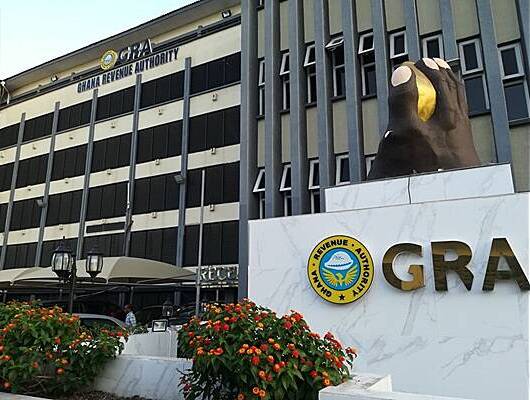

The Ghana Revenue Authority has rolled out a new digital modified tax system aimed at expanding the country’s tax net to effectively capture players within the informal sector.
The initiative, which forms part of broader tax reforms in Ghana, is designed to simplify tax compliance for small-scale businesses, traders, artisans, and self-employed individuals who have traditionally operated outside the formal tax structure.
Officials of the Authority say the system leverages digital tools to register, track, and assess taxpayers in the informal economy with greater accuracy and convenience. It is also expected to reduce human contact in tax collection processes, limit leakages, and improve transparency.
Under the new arrangement, eligible informal sector operators will be able to pay taxes using mobile money platforms and other digital channels, eliminating the need for complex paperwork and physical visits to tax offices. The system also introduces a modified tax rate tailored to the income levels and nature of businesses within the sector.
According to the GRA, the move is in line with government’s efforts to broaden domestic revenue mobilisation while ensuring fairness in the tax system. Authorities argue that bringing more informal businesses into the tax net will ease the burden on formal sector taxpayers and create a more balanced revenue framework.
Tax experts have long identified the informal sector as a critical but under-tapped source of revenue in Ghana, given that it employs a significant portion of the population. However, challenges such as lack of proper records, low tax education, and mistrust of tax authorities have hindered compliance.
The GRA says it will complement the rollout with public education campaigns to sensitize traders and small business owners on the benefits of tax compliance, including access to government services, credit facilities, and business support programmes.
While some stakeholders have welcomed the initiative as a step in the right direction, others have urged the Authority to ensure that the system remains user-friendly and does not impose undue financial pressure on low-income earners.
The Authority remains optimistic that the digital modified tax system will significantly improve revenue collection while fostering a culture of voluntary compliance across all sectors of the economy.
source
