
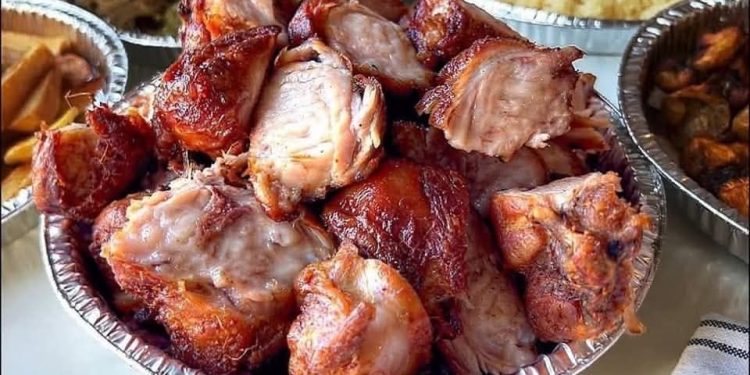

The continued presence of banned turkey tails on some Ghanaian markets has once again sparked concern among consumers, prompting the Food and Drugs Authority (FDA) to explain the challenges behind stopping the product from entering the country completely.
According to the FDA, although turkey tails remain prohibited due to health concerns, some quantities still manage to appear on the market through illegal importation and smuggling activities. Officials say enforcing the ban has become increasingly difficult because certain traders use unapproved routes and hidden channels to bring the product into the country.
The Authority explained that turkey tails were banned in Ghana primarily because of their extremely high fat content, which health experts believe contributes to heart-related diseases, obesity, and other health complications. Despite the restriction being in place for years, demand for the product in some communities has continued, encouraging unauthorized dealers to risk importing it secretly.
FDA officials noted that monitoring every point of entry remains a major challenge, especially along unapproved border routes. They stressed that some smugglers disguise the banned product among approved frozen foods, making detection more complicated for inspectors and customs officers.
The Authority also revealed that enforcement operations are regularly carried out in collaboration with other state agencies to seize banned products from cold stores and markets. However, officials admitted that completely eliminating the trade requires stronger public cooperation and increased awareness among consumers.
The FDA urged Ghanaians to avoid purchasing or consuming turkey tails, warning that the health risks associated with excessive fat consumption cannot be ignored. Consumers were also encouraged to report suspicious frozen food products being sold in markets or cold stores to help authorities clamp down on the illegal trade.
The explanation from the FDA has reignited public discussions about food safety regulations in Ghana, with many calling for tighter border controls and stricter punishment for those involved in the smuggling of banned food products.
