
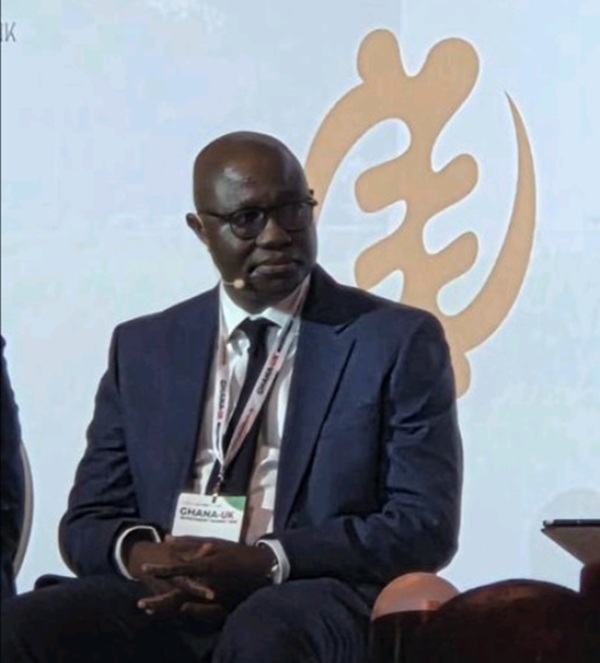

The Deputy Chief Executive Officer of the Ghana Cocoa Board has outlined a new domestic financing framework aimed at supporting the purchase of cocoa from farmers while reducing the country’s reliance on external borrowing.
Speaking at a stakeholder engagement, the Deputy CEO explained that the framework forms part of broader efforts to strengthen the financial sustainability of COCOBOD and ensure timely payments to cocoa farmers during the crop season. The initiative is expected to mobilize resources from local financial institutions and investors to finance cocoa purchases and other operational activities.
According to the Deputy CEO, the move towards domestic financing reflects the government’s commitment to developing local capital markets and leveraging homegrown financial resources to support one of Ghana’s most important export sectors. He noted that depending heavily on syndicated international loans exposes the cocoa sector to global market uncertainties and exchange rate fluctuations.
The proposed framework seeks to establish stronger partnerships with local banks, pension funds, and other institutional investors to provide the liquidity required for cocoa purchases. This, he said, would help ensure a more predictable and resilient financing structure for the cocoa industry.
He further emphasized that the strategy is designed to guarantee uninterrupted cocoa purchasing operations, improve financial efficiency, and protect the interests of cocoa farmers across the country. The framework is also expected to contribute to greater value retention within the domestic economy by keeping a larger share of financing activities within Ghana’s financial sector.
Industry stakeholders have welcomed the initiative, describing it as a significant step toward strengthening local participation in the financing of the cocoa sector. They believe the approach could enhance transparency, improve financial management, and reduce exposure to external market shocks.
The Deputy CEO assured farmers and industry players that COCOBOD remains committed to maintaining an effective purchasing system while implementing reforms that promote long-term sustainability. He added that consultations with financial institutions and other stakeholders are ongoing to finalize the framework and ensure its successful implementation.
The cocoa sector remains a critical pillar of Ghana’s economy, contributing significantly to export earnings, employment, and rural livelihoods. As such, efforts to secure sustainable financing for crop purchases are seen as essential to safeguarding the industry’s future growth and competitiveness.
source
