
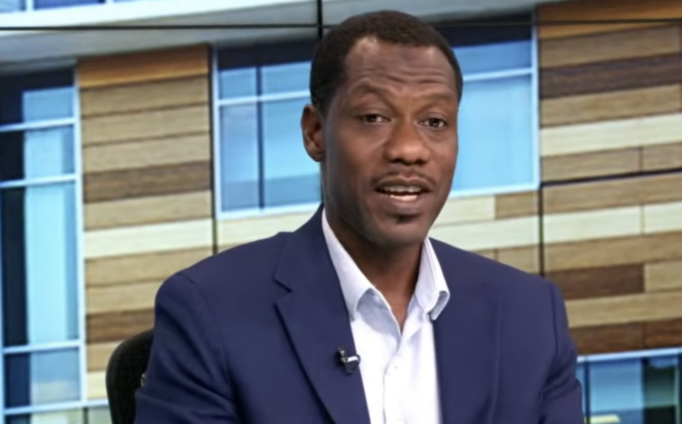

The death of Charles Amissah has reignited heated discussions across Ghana’s medical and public policy space, but according to a leading neurosurgeon, the tragedy will mean little unless the country confronts what he describes as its dangerous “culture of scapegoating.”
Speaking passionately on the matter, the specialist argued that Ghana’s long-standing tendency to single out individuals for blame whenever tragedy strikes has done little to address the systemic failures that often lie at the heart of such incidents.
According to him, while public anger and grief are understandable, focusing solely on assigning blame to one person or institution often distracts from the deeper structural problems that need urgent reform.
He stressed that Charles Amissah’s death should not merely become another headline that sparks temporary outrage before fading into silence. Instead, he believes it should serve as a wake-up call for serious introspection into the state of Ghana’s healthcare system, emergency response structures, and institutional accountability mechanisms.
The neurosurgeon noted that in many similar cases, the public conversation quickly shifts toward finding a convenient target to condemn, while the real issues—poor infrastructure, inadequate specialist resources, underfunding, delayed referrals, and systemic inefficiencies—remain unresolved.
He warned that this cycle of blame without reform has become deeply entrenched in Ghanaian society and continues to cost lives.
“Scapegoating creates the illusion of justice,” he explained, “but it rarely solves the actual problem. We become satisfied that someone has been blamed, yet the same conditions that caused the tragedy remain untouched.”
He further called on policymakers, healthcare leaders, and the public to demand lasting institutional reforms rather than symbolic outrage.
According to him, meaningful change would involve investing in modern medical equipment, expanding specialist training, strengthening referral systems, and ensuring hospitals are properly resourced to handle critical emergencies.
The comments have sparked strong reactions, with many Ghanaians agreeing that the nation must move beyond emotional reactions and begin confronting the structural weaknesses affecting healthcare delivery.
For many observers, Charles Amissah’s death has become more than a personal tragedy—it has become a mirror reflecting broader cracks within the system.
Whether this moment leads to real reform or simply becomes another chapter in Ghana’s cycle of blame and forgetfulness remains to be seen.
Source
