
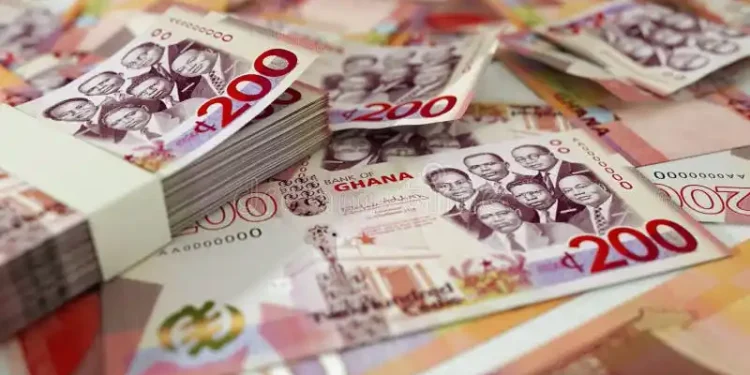

The Bank of Ghana (BoG) has successfully absorbed GH₵11.28 billion from the financial market through its latest 14-day bill auction, as part of efforts to manage liquidity and maintain stability in the economy.
According to auction results released by the central bank, the operation attracted strong demand from banks and other financial institutions, reflecting continued confidence in the BoG’s short-term monetary instruments.
The 14-day bill, which is primarily used by the central bank as a liquidity management tool, allows the BoG to withdraw excess cash from the banking system. By mopping up surplus liquidity, the central bank aims to curb inflationary pressures, support exchange rate stability, and enhance the effectiveness of monetary policy.
Market analysts say the significant amount absorbed through the auction signals the Bank of Ghana’s commitment to maintaining tight liquidity conditions amid ongoing efforts to sustain macroeconomic stability. The move also comes at a time when authorities are closely monitoring inflation trends and developments in the foreign exchange market.
The auction forms part of the BoG’s regular open market operations, which are designed to regulate money supply and ensure that liquidity levels within the banking sector remain consistent with the central bank’s policy objectives.
Financial sector observers note that the continued use of short-term instruments such as the 14-day bill has become an important component of the Bank of Ghana’s strategy to manage excess funds in the market while safeguarding recent gains in economic recovery.
The latest auction outcome underscores the central bank’s proactive approach to monetary management as it seeks to balance liquidity conditions, support price stability, and strengthen confidence in Ghana’s financial system.
