
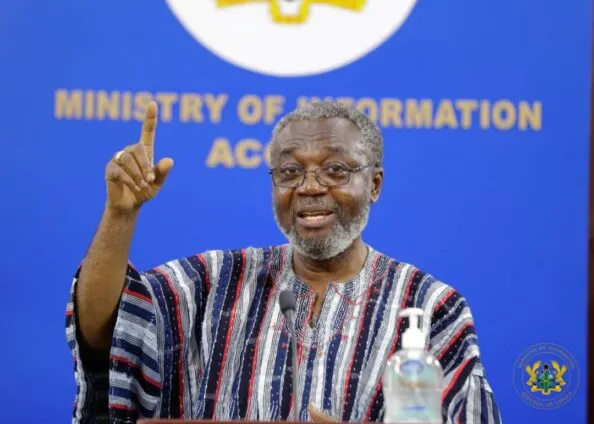

Former Presidential Advisor on Health, Dr Anthony Nsiah-Asare, has urged the government not to abandon the Agenda 111 hospital project simply because of a change in political administration, stressing that the initiative remains crucial to improving healthcare delivery across the country.
According to him, the massive health infrastructure programme was designed to address long-standing gaps in Ghana’s healthcare system, particularly in underserved districts that lack access to modern medical facilities. He warned that halting or neglecting the project could negatively affect healthcare accessibility for thousands of Ghanaians.
Speaking on the importance of continuity in national development projects, Dr Nsiah-Asare argued that programmes initiated with taxpayers’ money should transcend partisan politics and be completed for the benefit of citizens regardless of which political party is in power.
Agenda 111 was launched under the administration of former President Nana Addo Dankwa Akufo-Addo as an ambitious nationwide hospital construction programme aimed at building hospitals in districts without healthcare facilities, regional hospitals, and specialized treatment centres.
The initiative gained national attention as one of the largest healthcare infrastructure projects in Ghana’s history, particularly after the COVID-19 pandemic exposed weaknesses in the country’s health system and the urgent need for expanded medical infrastructure.
Dr Nsiah-Asare maintained that despite concerns over funding challenges and delays in completion, abandoning the project entirely would amount to wasting significant investments already made at several construction sites across the country.
He emphasized that healthcare should not become a casualty of political transitions, adding that every government inherits responsibilities that must be pursued in the national interest. According to him, continuity in major infrastructure projects is essential for sustainable development and public confidence in governance.
The former health advisor also encouraged authorities to prioritize the completion of projects that are already at advanced stages rather than allowing them to deteriorate. He noted that unfinished hospitals could become symbols of wasted public resources if left abandoned.
His comments come amid ongoing public debate over the future of some major projects initiated by previous administrations and whether the current government will continue, review, or restructure them.
Supporters of Agenda 111 argue that the project has the potential to transform healthcare access in remote communities by reducing pressure on major referral hospitals and improving emergency healthcare delivery nationwide. Critics, however, have questioned the pace of execution, financing arrangements, and the long-term sustainability of the initiative.
Nevertheless, Dr Nsiah-Asare insists that the broader national interest must remain the priority, urging political leaders to place healthcare development above partisan considerations. He believes completing the hospitals would ultimately strengthen Ghana’s healthcare system and improve the quality of life for millions of citizens.
