
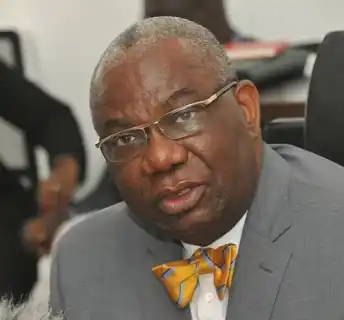

Former Energy Minister and New Patriotic Party (NPP) chairman‑aspirant Boakye Kyeremanteng Agyarko has issued a stark warning about the corrosive effects of money in Ghana’s electoral process, saying that when financial inducements take precedence over principles, voters end up making the wrong choices.
Mr. Agyarko described vote‑buying as “a sad commentary on democracy,” arguing that reducing elections to mere financial transactions undermines the country’s democratic foundations and future prospects. He made the remarks while addressing supporters and stakeholders during activities surrounding the Ayawaso East Constituency elections in the Greater Accra Region — an area where concerns about inducements and voter apathy have been particularly pronounced.
According to the former minister, the monetisation of the electoral process not only discourages genuine leadership but also weakens the very mechanisms that ensure accountability and competence in governance. “It is a sad commentary on the quality of lives that you have to be transactional about who governs you,” he lamented.
Drawing a comparison with traditional leadership selection processes, Agyarko pointed out that communities are often fervent about choosing the right chief — someone with legitimate lineage and respect — yet seem willing to settle for transactional politics when it comes to national leadership. “How be it then that when it comes to the national, which is bigger than my hometown or your hometown, we are reckless about the decisions we make and reduce it to a simple transaction of money?” he asked.
He further warned that allowing money to dominate electoral contests creates perverse incentives — encouraging individuals to “buy” political positions rather than earn them through merit and genuine public service intentions. “It means that we are not allowing the best to serve us. And that, vicariously, people will buy themselves into an office for which they do not intend to be faithful servants,” he said.
Mr. Agyarko also referenced his personal experiences abroad to underscore his broader concerns about the risk of money distorting political choice and governance standards.
His comments contribute to a wider national conversation in Ghana about electoral integrity, especially as the country continues to navigate issues of vote‑buying and democratic credibility in both general and by‑elections. Civil society organisations and the Electoral Commission have repeatedly called for strengthened reforms and enhanced civic education to counter such practices and protect the democratic process.
