
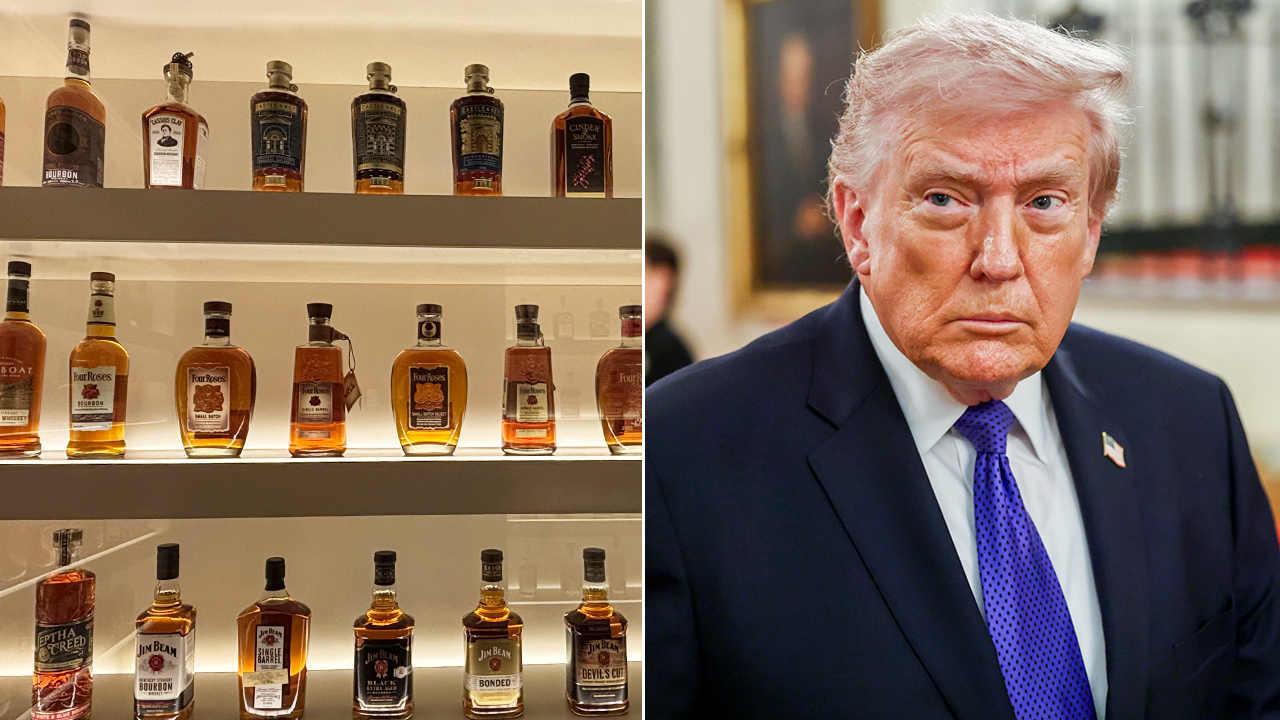

United States whiskey exports to Canada have plummeted by nearly 70 percent in the wake of renewed trade tensions sparked by former President Donald Trump’s tariff policies, according to industry figures and trade analysts.
The dramatic drop follows a fresh round of tariff disputes between Washington and Ottawa, reigniting a trade rift that had previously strained economic ties between the two long-time allies. Canadian importers sharply reduced purchases of American whiskey in response to retaliatory measures imposed by the Canadian government, industry groups say.
Data released by the Distilled Spirits Council of the United States (DISCUS) shows exports of U.S.-made whiskey to Canada — traditionally one of the largest foreign markets for American spirits — fell by almost 70 percent over the past several months. The downturn has hit distillers across key producing states including Kentucky and Tennessee particularly hard.
Canada had been the top destination for American whiskey exports in recent years, accounting for hundreds of millions of dollars in annual sales. But the latest tariff dispute, centered on broader trade disagreements and protectionist measures, prompted Ottawa to reimpose duties on U.S. spirits, making American bottles significantly more expensive for Canadian consumers.
Industry leaders warn the sharp decline threatens jobs and investment across the U.S. spirits sector. “The Canadian market is critical for American distillers, many of whom are small and family-owned businesses,” DISCUS representatives said in a statement, urging policymakers to seek a negotiated resolution.
Canadian officials have defended the retaliatory tariffs as a necessary response to U.S. trade actions, arguing they are designed to protect domestic industries while encouraging Washington to reconsider its measures.
The trade fight revives memories of earlier disputes during the Trump administration, when tit-for-tat tariffs on steel, aluminum, and various consumer goods disrupted cross-border commerce. At that time, American whiskey exports to Canada also experienced steep declines before eventually recovering once tensions eased.
Analysts caution that prolonged uncertainty could cause longer-term damage. Canadian retailers may turn to alternative suppliers from Europe or expand domestic whiskey offerings, potentially eroding market share for U.S. producers even if tariffs are later lifted.
With the U.S. and Canada deeply intertwined economically, business groups on both sides of the border are calling for swift negotiations to prevent further fallout. Until a resolution is reached, however, American whiskey makers face a sobering reality: one of their most dependable export markets has nearly evaporated amid the escalating tariff fight.
