
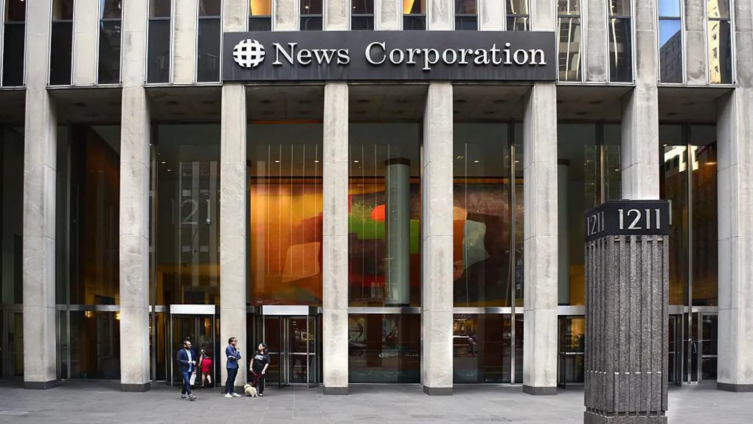

A United States judge has dismissed a $10 billion defamation lawsuit filed by former President Donald Trump against the The Wall Street Journal, dealing a significant legal setback to the ex-president’s claims against the publication.
The lawsuit stemmed from a report published by the newspaper, which argued was defamatory and damaging to his reputation. He had sought $10 billion in damages, insisting that the article contained false and misleading information that portrayed him in a negative light.
However, in dismissing the case, the judge ruled that the claims did not meet the legal threshold required to sustain a defamation suit. According to the court, the report in question fell within the bounds of protected speech, and there was insufficient evidence to prove actual malice — a key requirement in defamation cases involving public figures in the United States.
Legal analysts note that under U.S. law, public figures such as must demonstrate that a publication knowingly published false information or acted with reckless disregard for the truth. The judge found that this standard had not been met in the case brought against the .
The ruling reinforces longstanding protections for the press and highlights the high bar public figures face when pursuing defamation claims. It also underscores the judiciary’s role in balancing reputational concerns with the constitutional right to freedom of expression.
While representatives of have yet to indicate whether they will appeal the decision, the dismissal marks a notable moment in ongoing tensions between the former president and sections of the American media.
