
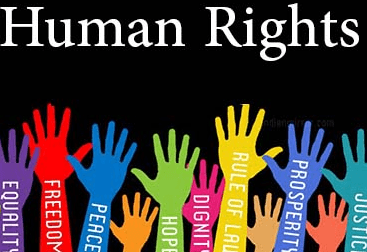

A strong and vibrant society is built on the active involvement of its citizens. Beyond enjoying the privileges of living in a community or nation, citizens play a crucial role in shaping governance, promoting accountability, and ensuring the well-being of all. Understanding rights, responsibilities, advocacy, and participation is therefore essential for every individual who seeks to contribute meaningfully to national development and democratic growth.
Citizens’ rights form the foundation of democratic societies. These rights—often guaranteed by constitutions and laws—include freedoms such as expression, association, movement, and the right to vote. They protect individuals from abuse of power and ensure that every person is treated with dignity and fairness. However, rights are not merely privileges to be enjoyed; they also come with responsibilities that must be respected to maintain order and justice in society.
Responsibilities refer to the duties citizens owe to their communities and their nation. These include obeying the law, paying taxes, respecting the rights of others, protecting public property, and contributing to peace and unity. Responsible citizenship also involves staying informed about national issues and participating in civic activities that promote progress. When citizens fulfill these duties, they help build a stable environment where rights can thrive.
Advocacy is another important element of active citizenship. It involves speaking up for issues that affect individuals or communities and working to influence policies and decisions that promote fairness and social justice. Through advocacy, citizens can raise awareness about challenges such as inequality, corruption, environmental degradation, and access to essential services. Advocacy can take many forms, including public campaigns, community engagement, dialogue with policymakers, and the use of media platforms to highlight concerns.
Participation, meanwhile, ensures that citizens are not passive observers but active contributors to the governance process. Participation can occur in several ways, including voting in elections, attending community meetings, engaging in public consultations, volunteering for social causes, and joining civil society organisations. When people actively participate in decision-making processes, they help ensure that policies reflect the needs and aspirations of the broader population.
In democratic societies, the relationship between citizens and government is a partnership. Governments are responsible for creating systems that protect rights and encourage participation, while citizens must remain engaged and vigilant to ensure accountability and transparency. This partnership fosters trust and promotes inclusive development that benefits all members of society.
Education and awareness play a key role in strengthening citizenship. When individuals understand their rights and responsibilities, they are better equipped to make informed decisions and contribute positively to their communities. Civic education programs, public dialogue, and community initiatives can help empower citizens to become advocates for change and agents of development.
Ultimately, the progress of any nation depends on the collective efforts of its citizens. By understanding and embracing their rights, fulfilling their responsibilities, advocating for justice, and actively participating in public life, citizens can help create a society that is fair, inclusive, and prosperous for current and future generations.
