
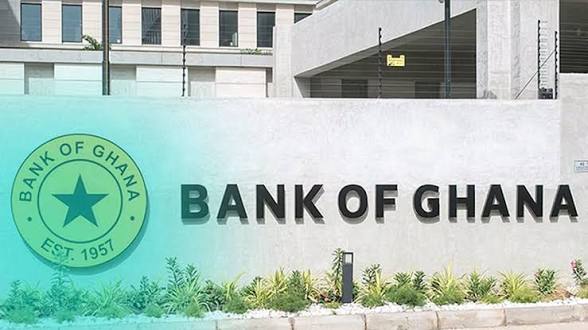

The decision by the Bank of Ghana to sell nearly half of its gold reserves has sparked intense debate among economists, policymakers, and market watchers. While some critics view the move as risky, a closer analysis reveals a combination of strategic, economic, and fiscal motivations behind the central bank’s action.
At the heart of the decision is the need to stabilize Ghana’s fragile macroeconomic environment. Over the past few years, the country has faced significant pressures, including high inflation, currency depreciation, and dwindling foreign exchange reserves. By selling a portion of its gold holdings, the central bank aimed to inject much-needed liquidity into the economy and strengthen its ability to manage the cedi.
Gold, traditionally seen as a safe-haven asset, plays a key role in central bank reserves. However, unlike cash or foreign currencies, it is not easily deployable for immediate economic interventions. By converting gold into more liquid assets such as US dollars, the Bank of Ghana positioned itself to better defend the local currency and meet external obligations, including debt servicing and import financing.
Another critical factor is Ghana’s ongoing economic reform programme supported by the International Monetary Fund. As part of the conditions tied to financial assistance, the country is required to maintain adequate reserve buffers and demonstrate prudent fiscal management. The partial liquidation of gold reserves may have been seen as a necessary step to meet these benchmarks and restore investor confidence.
Additionally, the move aligns with the government’s broader strategy to optimize its gold resources. In recent years, Ghana has ramped up domestic gold purchases through initiatives like the Gold for Oil programme, which seeks to reduce reliance on foreign exchange for fuel imports. By actively managing its gold portfolio—buying when advantageous and selling when needed—the central bank is attempting to strike a balance between long-term asset security and short-term economic stability.
However, the decision is not without risks. Gold serves as a hedge against global uncertainty and inflation. Reducing reserves could leave the country more exposed to external shocks, especially in a volatile global economic climate. Critics also argue that selling gold during periods of price fluctuation may not always yield optimal returns.
Despite these concerns, supporters of the move contend that the immediate benefits outweigh the potential downsides. Strengthening the cedi, easing inflationary pressures, and meeting international financial commitments are seen as urgent priorities that justify the decision.
In conclusion, the Bank of Ghana’s sale of a significant portion of its gold reserves reflects a calculated effort to navigate a challenging economic landscape. While the long-term implications remain to be seen, the move underscores the delicate balancing act between maintaining financial stability and preserving strategic national assets.
