
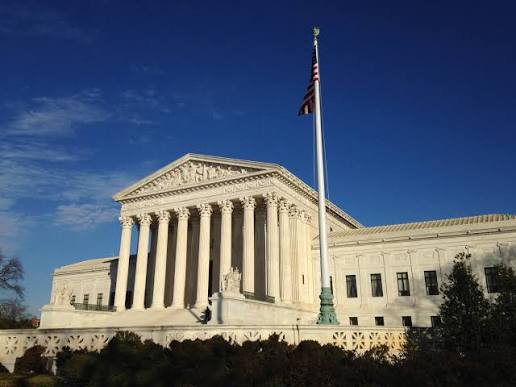

The Supreme Court of the United States has blocked enforcement of a California measure that would have restricted schools from notifying parents if their children sought to transition genders, marking a significant development in the ongoing national debate over parental rights and LGBTQ+ policies in education.
In a brief order, the high court halted the state’s attempt to prevent certain school districts from adopting policies requiring staff to inform parents if a student requests changes related to gender identity, including preferred names, pronouns, or access to facilities. The decision allows local parental notification rules to remain in place while legal challenges proceed through lower courts.
The dispute centers on whether public schools must keep a student’s gender identity decisions confidential at school or whether parents have a constitutional right to be informed about such significant developments in their children’s lives. Supporters of parental notification policies argue that parents are the primary decision-makers in matters affecting their children’s health and well-being. Opponents contend that mandatory disclosure could put vulnerable students at risk, particularly those who fear rejection or harm at home.
California officials had sought to block enforcement of notification requirements adopted by some school boards, arguing that such policies could violate students’ privacy rights and state anti-discrimination protections. Several districts, however, maintained that keeping parents in the dark about major identity-related decisions undermines trust and parental authority.
The Supreme Court’s order does not resolve the broader constitutional questions at the heart of the case. Instead, it preserves the status quo by preventing the state from enforcing its ban while litigation continues. The case is expected to return to the justices in the future for a full review on the merits.
The ruling comes amid a wave of legal battles nationwide over transgender rights, parental authority, and the role of schools in navigating gender identity issues. Courts across the country have issued differing decisions, reflecting deep divisions in public opinion and legal interpretation.
For now, the high court’s intervention ensures that local districts challenging California’s restrictions may continue to implement parental notification policies, setting the stage for what could become a landmark ruling on the balance between student privacy and parental rights.
