
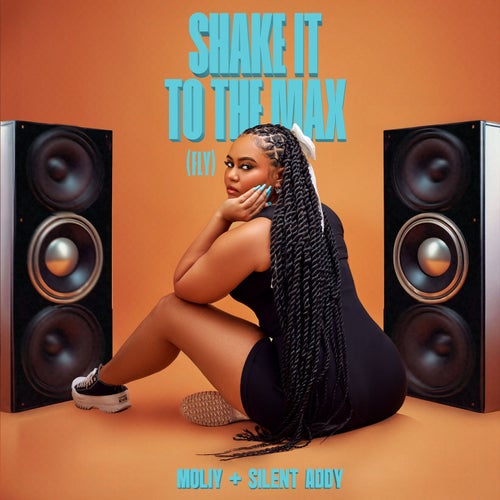

Jamaican dancehall legend Shaggy has criticised what he describes as “gatekeeping” surrounding the riddim behind the hit song Shake It to the Max, saying the situation is damaging the wider music industry.
The Grammy-winning artiste expressed concern about how the riddim associated with Ghanaian singer MOLIY and her breakout single Shake It to the Max has been handled, suggesting that restricting access to the instrumental limits creativity and collaboration within the global music space.
According to Shaggy, riddims — particularly within dancehall and Caribbean music culture — are traditionally meant to be shared and used by multiple artistes. He noted that some of the biggest hits in reggae and dancehall history emerged when several musicians recorded different songs on the same riddim, allowing producers, singers and DJs to collectively grow the sound.
However, he argued that the current approach surrounding the Shake It to the Max riddim appears to prevent that open creative process.
“Riddims were always a community thing,” Shaggy reportedly said in a recent interview. “When you start gatekeeping a riddim and stopping people from voicing on it, it hurts the industry more than it helps.”
The Boombastic hitmaker emphasised that allowing more artistes to experiment with the instrumental could expand the reach of the song and the artistes involved, rather than diminishing the original version.
Shake It to the Max has gained significant traction across streaming platforms and social media, helping boost MOLIY’s profile internationally and introducing her sound to audiences beyond Ghana and Africa.
Shaggy acknowledged the success of the track but insisted that music thrives when there is collaboration rather than restriction. He added that the history of Caribbean music shows that shared riddims often create entire waves of hits, benefiting producers and artistes alike.
The veteran performer urged industry players to adopt a more open approach, arguing that such collaboration would ultimately strengthen the global music ecosystem and help emerging talents gain wider exposure.
