
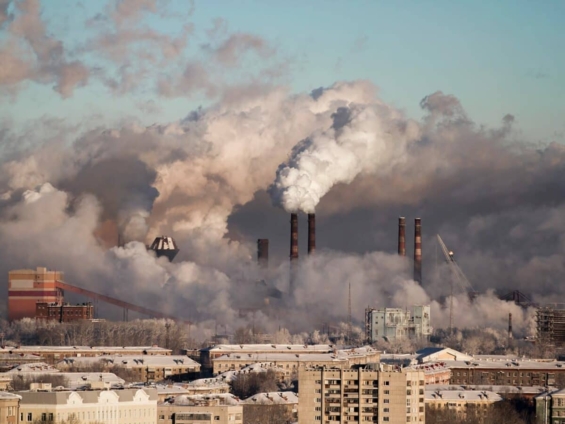

A new global air quality report has revealed that South Asia continues to rank among the most polluted regions in the world in 2025, raising renewed concerns about public health, climate action, and environmental policies across the subcontinent.
According to the report, several major cities across South Asia recorded dangerously high levels of fine particulate matter (PM2.5), a harmful air pollutant linked to respiratory and cardiovascular diseases. Countries including India, Pakistan, and Bangladesh were among those with the highest pollution readings globally, with many urban centres consistently exceeding international air quality guidelines.
Researchers noted that rapid urbanisation, industrial emissions, vehicle exhaust, and the burning of fossil fuels remain key drivers of the region’s worsening air quality. Seasonal agricultural burning and construction dust also contribute significantly to pollution levels, particularly during the dry months when smog tends to intensify.
Public health experts warn that millions of people living in the region are exposed to unsafe air daily. Long-term exposure to polluted air has been associated with asthma, lung cancer, heart disease, and reduced life expectancy. Children and the elderly are considered the most vulnerable groups.
Despite the grim findings, the report highlighted some efforts by governments in the region to address the problem. Initiatives such as stricter vehicle emission standards, investment in cleaner energy, and improved monitoring systems have been introduced in several countries. However, analysts say these measures have yet to produce large-scale improvements due to population growth and continued reliance on coal and other polluting fuels.
Environmental advocates are urging stronger regional cooperation to tackle air pollution, noting that polluted air often travels across national borders. They argue that coordinated policies, expanded renewable energy projects, and better urban planning could significantly reduce pollution levels over time.
The report concludes that without urgent and sustained action, air pollution in South Asia could continue to pose a major environmental and health crisis in the coming years, affecting hundreds of millions of people across the region.
Source
