
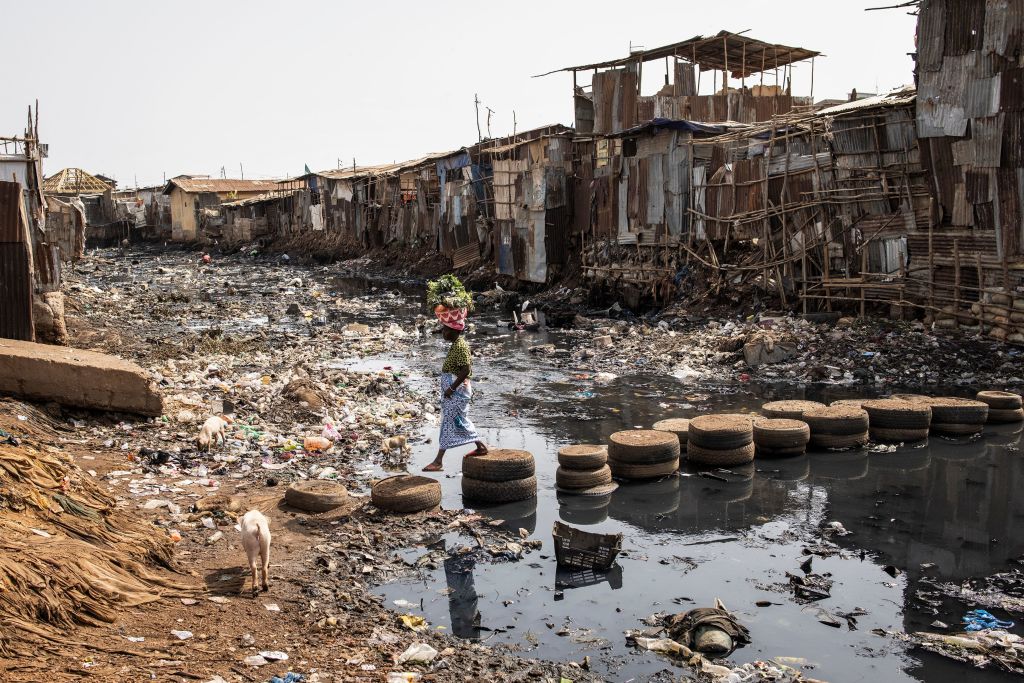

A new study by the (ISSER) has revealed that Ghana loses an estimated GHS 6.2 billion every year due to poor sanitation, underscoring the heavy economic and public health burden posed by inadequate waste management and sanitation infrastructure.
The report highlights that the staggering annual loss stems from a combination of healthcare expenses, reduced productivity, environmental degradation, and premature deaths linked to sanitation-related diseases. According to the study, preventable illnesses such as cholera, diarrhea, and other waterborne infections continue to place immense pressure on households and the national healthcare system.
Researchers noted that many communities, particularly in low-income and densely populated urban areas, still lack access to proper toilet facilities and effective waste disposal systems. Open defecation, indiscriminate dumping of refuse, and choked drainage systems remain widespread challenges, contributing to recurrent flooding and outbreaks of disease.
ISSER further emphasized that beyond the direct health implications, poor sanitation significantly affects economic output. Workers frequently miss work due to illness, while businesses incur additional costs in managing waste and maintaining hygienic environments. The tourism sector also suffers reputational damage when sanitation conditions fall below acceptable standards.
The study calls for increased investment in sanitation infrastructure, stronger enforcement of sanitation regulations, and sustained public education campaigns to promote behavioral change. It also urges collaboration between government agencies, local authorities, and the private sector to address the issue comprehensively.
Experts behind the report argue that prioritizing sanitation could yield substantial economic returns, improve public health outcomes, and enhance overall quality of life. They stress that tackling the sanitation crisis is not only a public health imperative but also a strategic economic decision that Ghana cannot afford to ignore.
