
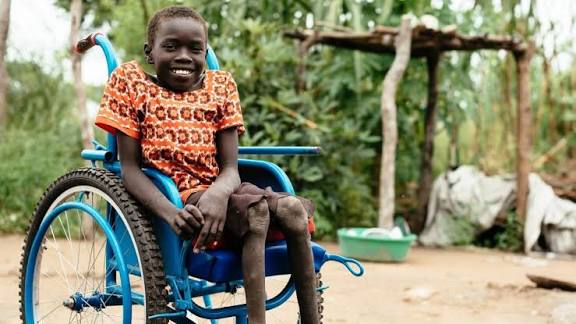

The Volta Regional Director of the Department of Social Welfare has called for a fundamental shift in societal attitudes towards persons with disabilities, stressing that they deserve respect, equal opportunities, and inclusion — not pity.
According to the Director, negative perceptions and deep-seated stereotypes continue to marginalise persons with disabilities (PWDs), limiting their access to education, employment, healthcare, and social participation.
Inclusion Over Sympathy
Volta Region’s Social Welfare Director emphasised that disability should not be equated with inability, noting that many persons with disabilities are capable of contributing meaningfully to national development when given the right support.
“Persons with disabilities are not objects of pity. They are individuals with rights, talents, and aspirations,” the Director stated, urging families, institutions, and communities to move beyond charity-driven approaches towards empowerment and inclusion.
Barriers Still Persist
Despite existing legal frameworks aimed at protecting their rights, many PWDs still face structural and attitudinal barriers. These include:
Inaccessible public infrastructure
Limited employment opportunities
Social stigma and discrimination
Inadequate assistive devices and services
Advocates say such obstacles reinforce dependency narratives instead of promoting independence and dignity.
Strengthening Enforcement and Awareness
Ghana has enacted laws and policies to safeguard the rights of persons with disabilities, including provisions for accessibility and social protection.
However, the Social Welfare Director stressed that enforcement remains a challenge and called for stricter compliance with disability regulations, particularly in public buildings and workplaces.
The Director also appealed for intensified public education campaigns to dismantle harmful myths and encourage inclusive practices at all levels of society.
A Collective Responsibility
The call for a mindset shift comes amid renewed national conversations on equality and human rights. Stakeholders argue that empowering persons with disabilities is not merely a welfare issue but a development imperative.
The Volta Social Welfare Directorate urged government agencies, private sector institutions, civil society organisations, and traditional authorities to work collaboratively to build a more inclusive society where persons with disabilities can thrive without stigma or exclusion.
“Respect, opportunity, and accessibility — not pity — must define how we engage with persons with disabilities,” the Director concluded.
Source
