
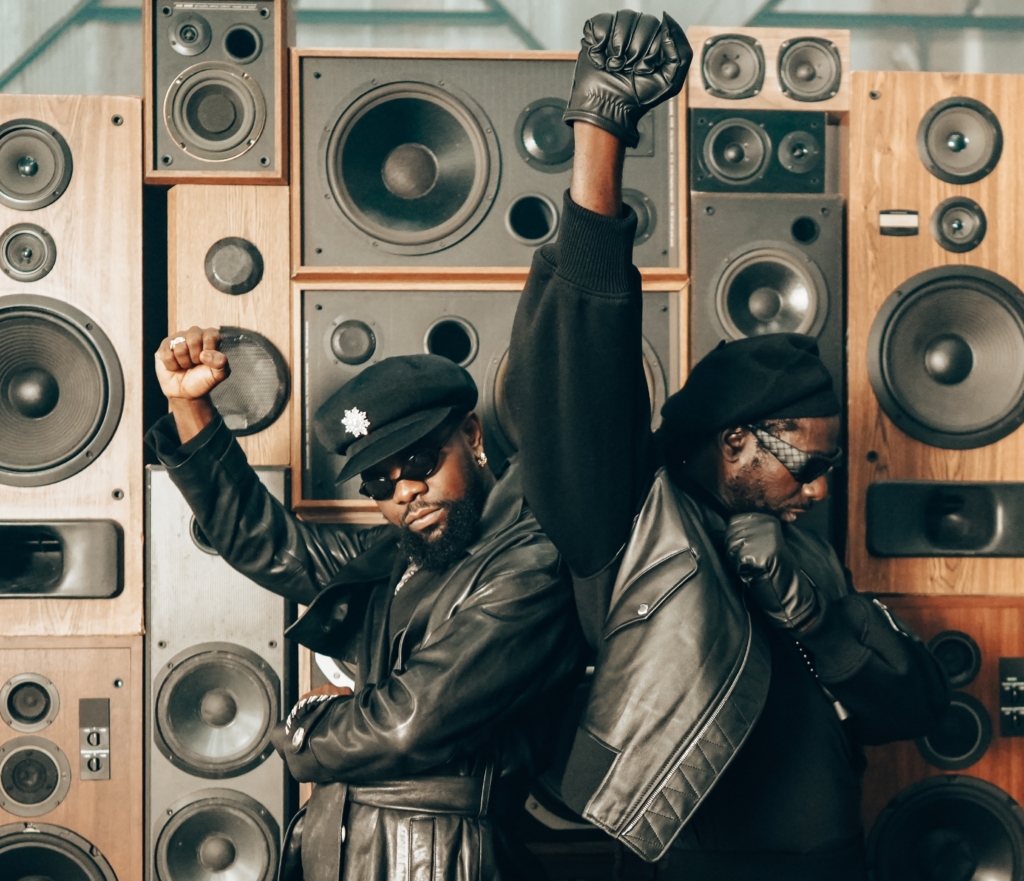

Nigerian dancehall star Patoranking has teamed up with legendary Jamaican reggae icon Buju Banton for a powerful new single titled ‘African Soldier’, a song that celebrates African pride, resilience, and unity.
The track blends Afrobeats, reggae, and dancehall influences, creating a rich musical fusion that highlights the cultural connection between Africa and the Caribbean. Through strong lyrical messaging and uplifting rhythms, the song calls on Africans across the world to remain proud of their heritage and to stand strong in the face of adversity.
A message of strength and identity
In ‘African Soldier’, both artists deliver verses that emphasise courage, self-belief, and the enduring spirit of the African people. Patoranking, known for his socially conscious music, uses the song to encourage young Africans to embrace their identity and pursue their dreams despite challenges.
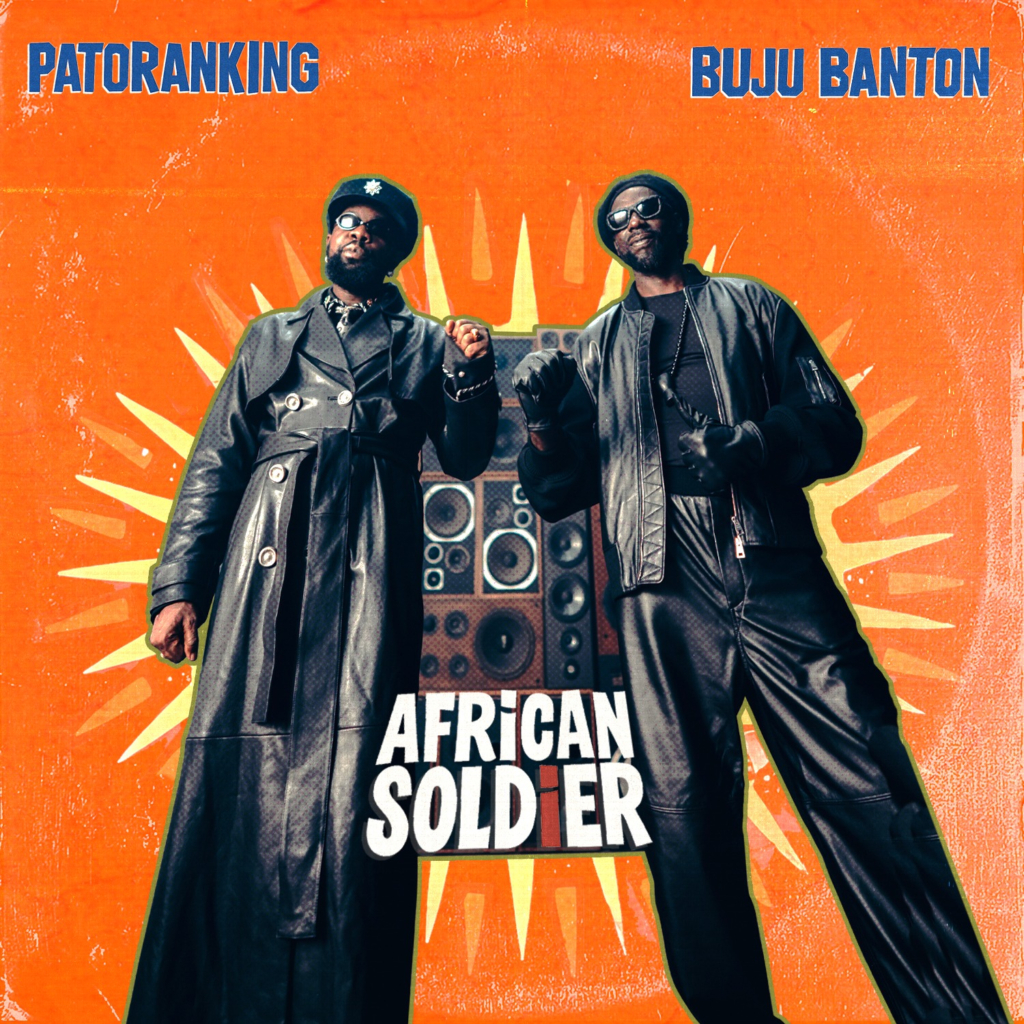
Buju Banton complements the message with his signature reggae style, bringing a global perspective rooted in decades of advocacy for black empowerment and cultural pride.
The collaboration symbolises a bridge between African and Caribbean musical traditions, reflecting shared historical and cultural experiences.
A powerful cross-continental collaboration
For fans of both artists, the collaboration is particularly significant. Patoranking has often cited reggae and dancehall legends as major influences on his music, making the partnership with Buju Banton a milestone moment in his career.
Music critics say the song’s blend of conscious lyrics and infectious rhythm could resonate strongly with listeners across Africa, the Caribbean, and the wider diaspora.
Celebrating African heritage
Beyond its musical appeal, ‘African Soldier’ carries a deeper message of unity and empowerment. The song encourages Africans and people of African descent worldwide to remain proud of their roots while striving for progress and development.
With its powerful message and cross-cultural collaboration, the track is expected to gain traction on streaming platforms and radio stations, further strengthening the global influence of African and Caribbean music.
