
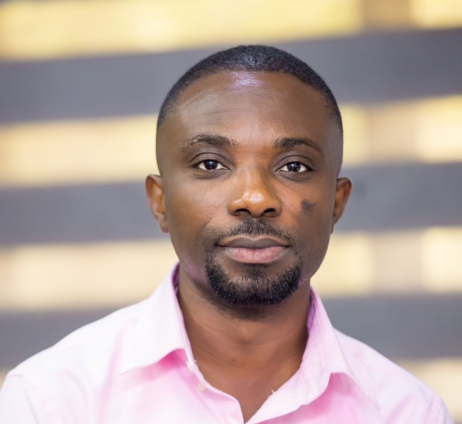

Miracles Aboagye, a leading member of the New Patriotic Party (NPP), has waded into the growing debate over the role of religious prophecies in Ghana’s political space, warning that not all so-called “divine revelations” should be accepted as the voice of God.
Speaking in reaction to the increasing number of political prophecies circulating ahead of major elections, Aboagye urged Ghanaians to exercise discernment and critical thinking, stressing that politics must not be reduced to spiritual predictions meant to manipulate public opinion.
According to him, the tendency for some individuals to cloak political commentary in religious language has become worrying, as it often creates fear, confusion and unnecessary tension among the electorate. He noted that while Ghana is a deeply religious country, faith must not be weaponised to influence political outcomes.
“Not every voice is God’s voice,” Aboagye cautioned, adding that prophets and self-styled seers must be careful not to present personal opinions or political preferences as divine instructions. He argued that doing so undermines both democracy and genuine religious practice.
The NPP communicator further emphasized that leadership should be determined by ideas, competence and the will of the people expressed through the ballot box, not by prophecies that cannot be verified. He called on political actors and the public to focus on policies, track records and visions for national development.
Aboagye also appealed to religious leaders to act responsibly, reminding them of the influence they wield over their followers. He urged them to promote peace, unity and national cohesion rather than predictions that could inflame passions or destabilize the country.
His comments have sparked mixed reactions on social media, with some Ghanaians applauding him for speaking boldly against the misuse of religion in politics, while others insist that prophetic voices have a place in national discourse.
As Ghana prepares for future elections, the debate over political prophecies continues to intensify, raising broader questions about the intersection of faith, politics and democracy in the country.
