
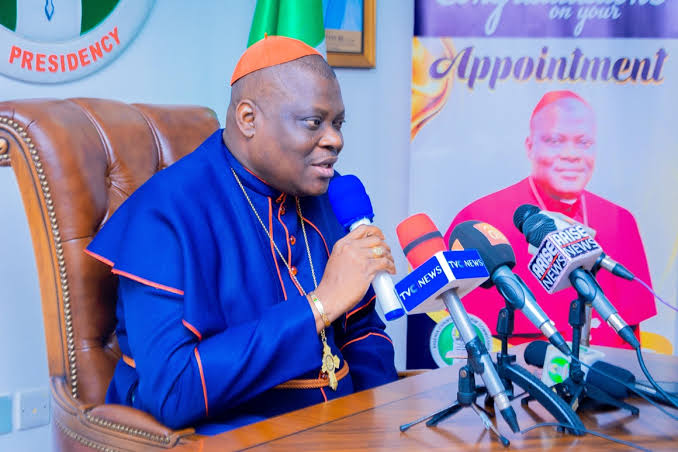

Nigerian authorities have suspended all Christian pilgrimages to Israel and the occupied West Bank with immediate effect due to security concerns arising from the escalating conflict in the Middle East.
The decision was announced by the Nigerian Christian Pilgrim Commission (NCPC), the government body responsible for organising Christian pilgrimages from Nigeria to Biblical destinations in the region. According to the commission, the suspension is aimed at ensuring the “safety and comfort” of Nigerian pilgrims amid the worsening security situation.
The move comes as tensions across the Middle East intensify following military strikes by the United States and Israel on Iran, which reportedly killed Iran’s Supreme Leader, Ayatollah Ali Khamenei. Iran has since launched retaliatory attacks against Israel and US-allied countries in the Gulf, contributing to a wider regional conflict.
The hostilities have disrupted travel across the region, with several countries shutting their airspace and many flights to the Middle East being cancelled. The closures have left numerous travellers stranded and forced governments to reassess travel safety for their citizens.
Rev. John Hayab of the Christian Association of Nigeria told the BBC that about 600 Nigerian pilgrims who were in Israel and the West Bank when the conflict began have already been evacuated. They were first moved to neighbouring Jordan before being flown back to Nigeria.
The suspension covers both state-organised pilgrimages and trips arranged by private tour operators. Officials say the ban will remain in place until the security situation in the region improves.
Each year, thousands of Nigerian Christians travel to sacred Biblical sites such as Jerusalem, Bethlehem and Nazareth as part of religious pilgrimages often supported or coordinated by state governments. The journeys are considered spiritually significant, and many believers save for years to undertake the trip.
With Easter approaching in about a month—one of the peak periods for Christian pilgrimages—the suspension is expected to affect many travellers who had planned to visit the Holy Land during the season.
The regional conflict has also affected Muslim pilgrims. Some Nigerians planning to travel to Mecca in Saudi Arabia for Umrah, the lesser Islamic pilgrimage that can be performed at any time of the year, have also faced disruptions due to flight cancellations.
One traveller, Alhaji Zaharaddeen Abubakar, said he had already purchased tickets and arranged accommodation in Mecca but is now stranded in the northern Nigerian city of Kano. “I wish to be there too but I can’t at the moment. I’m still hoping,” he told BBC Hausa.
Travel agents have also reported disruptions, with some passengers who had already boarded planes forced to disembark after flights were cancelled due to the worsening regional situation.
Authorities say they will continue to monitor developments in the Middle East before deciding when pilgrimages to the Holy Land can safely resume.
