
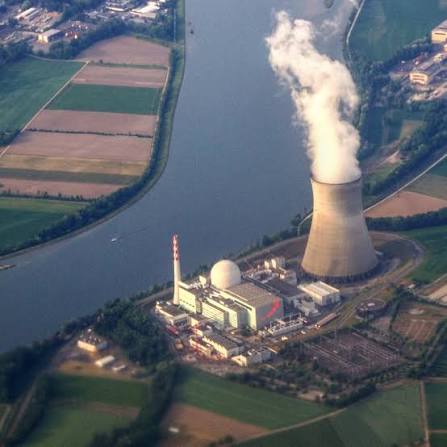

A renewed push for nuclear energy could hold the key to revitalizing American industry, according to Newt Gingrich and Jason Hayes. The two argue that expanding the United States’ nuclear power capacity would strengthen domestic manufacturing, enhance energy security, and help the country remain competitive in an increasingly industrialized global economy.
In their assessment, reliable and affordable energy is the backbone of industrial growth. Heavy industries such as steel, chemicals, data centers, and advanced manufacturing require large, consistent power supplies. Gingrich and Hayes contend that nuclear energy offers a stable and high-output solution that can operate around the clock, unlike some intermittent energy sources that depend on weather conditions.
They note that many American manufacturers have faced rising energy costs and supply uncertainties in recent years, leading some companies to shift operations overseas where power is cheaper or more readily available. Revitalizing nuclear energy infrastructure, they argue, could reverse this trend by providing dependable electricity at scale, thereby attracting investment back to U.S. factories and industrial hubs.
The authors also highlight the emergence of next-generation nuclear technologies, including small modular reactors (SMRs). These advanced reactors are designed to be safer, more flexible, and quicker to deploy than traditional large nuclear plants. According to Gingrich and Hayes, widespread adoption of such technologies could support regional manufacturing clusters, supply energy to remote industrial sites, and reduce strain on the national grid.
Beyond industrial competitiveness, they emphasize the role nuclear energy could play in reducing carbon emissions while maintaining economic growth. With growing pressure to decarbonize energy systems, nuclear power offers a low-emission alternative that can complement other sources in a diversified energy mix.
However, they acknowledge that expanding nuclear power will require significant policy reforms and investment. Regulatory processes, they argue, must be modernized to accelerate approvals for new reactors without compromising safety. In addition, stronger collaboration between government, private industry, and research institutions would be necessary to scale new technologies and rebuild the domestic nuclear supply chain.
Gingrich and Hayes conclude that the United States stands at a critical moment in its industrial future. By embracing nuclear energy as a central pillar of its energy strategy, they believe the country could rebuild manufacturing strength, create high-skilled jobs, and secure long-term economic resilience in a rapidly evolving global landscape.
Source
