
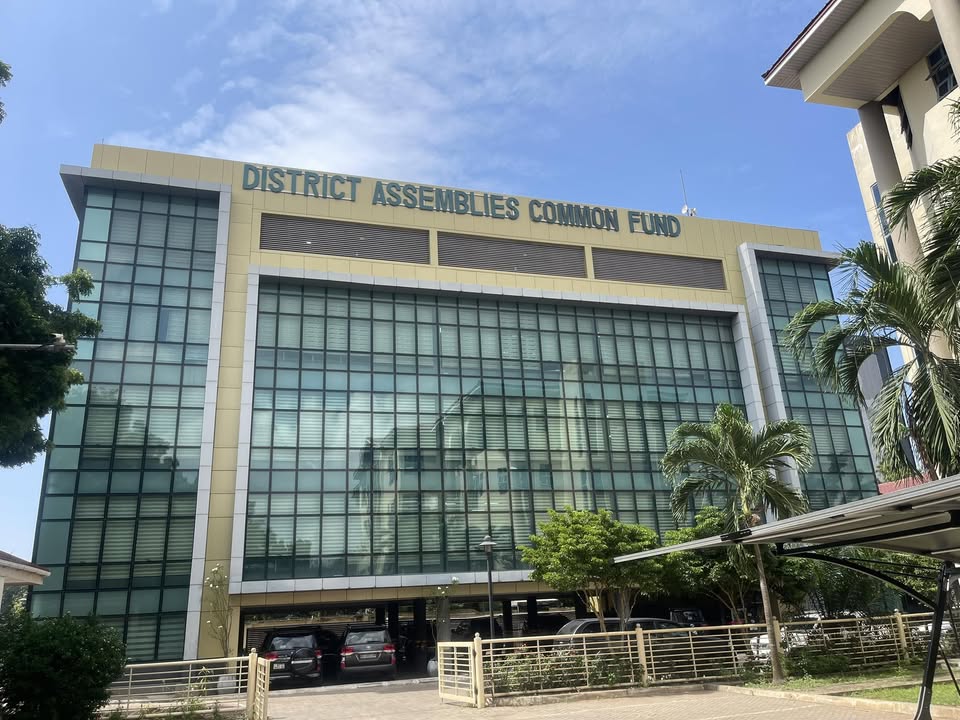

The Minority caucus in Parliament has accused the government of violating provisions of the 1992 Constitution over what it describes as irregularities in the formula used to disburse the District Assemblies Common Fund (DACF). According to the caucus, the handling and application of the formula undermine the constitutional framework governing the allocation of funds to Metropolitan, Municipal, and District Assemblies (MMDAs).
Addressing a press conference in Accra, members of the Minority argued that the government failed to adhere strictly to constitutional requirements in determining and applying the formula for the distribution of the Common Fund. They contended that the Constitution clearly stipulates how the DACF should be administered to ensure fairness, transparency, and equitable development across all districts.
The Minority maintained that any deviation from the approved formula or any attempt to manipulate allocations amounts to a direct breach of the Constitution. They stressed that the District Assemblies Common Fund was established to promote grassroots development and reduce disparities among districts, and therefore must not be subjected to political interference or administrative discretion that contradicts the law.
According to the caucus, the government’s approach risks undermining decentralisation efforts and could compromise development projects at the local level. They claimed that some assemblies may be unfairly disadvantaged if the formula is not properly applied, potentially affecting service delivery in critical sectors such as education, health, sanitation, and infrastructure.
The Minority further called on the government to immediately rectify what they described as constitutional breaches and ensure full compliance with established procedures. They urged Parliament to exercise its oversight responsibilities effectively to safeguard the integrity of the Common Fund.
In addition, the caucus appealed to civil society organisations and other stakeholders to closely monitor developments surrounding the DACF to prevent what they believe could set a dangerous precedent for constitutional governance.
Meanwhile, government officials are yet to issue a detailed response to the allegations. However, sources within the Majority insist that due processes were followed and that the formula was developed in accordance with legal requirements and national development priorities.
The controversy adds to ongoing debates about fiscal decentralisation and accountability in the management of public funds, as stakeholders continue to demand greater transparency in the distribution and utilisation of resources meant to drive development at the district level.
