
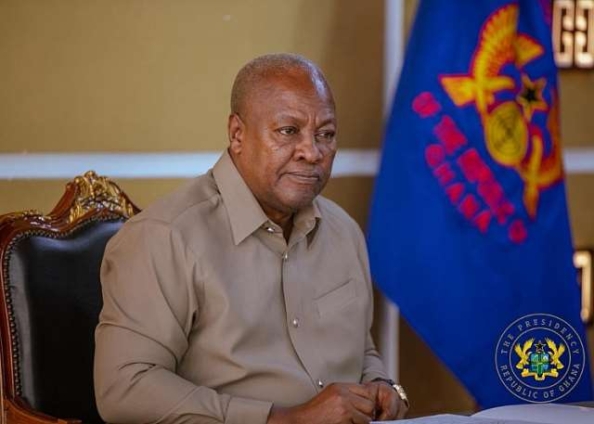

President has opened up about the painful memories of his childhood, recounting how he suffered recurring nightmares after his father was detained in the aftermath of Ghana’s 1966 military coup.
Speaking at a recent public engagement, the President reflected on the emotional toll the political upheaval took on his family when he was just a young boy. He revealed that the arrest of his father, , left a deep psychological scar that lingered for years.
The 1966 coup, which overthrew Ghana’s first President, , marked a turbulent chapter in the country’s political history. In the aftermath, several politicians and public officials associated with the Nkrumah administration were detained. Among them was Emmanuel Adama Mahama, who had served as a Member of Parliament and a government minister.
President Mahama recalled the confusion and fear that gripped his household when security forces came for his father. As a child, he struggled to fully understand the political circumstances, but he vividly remembers the atmosphere of anxiety and uncertainty that followed.
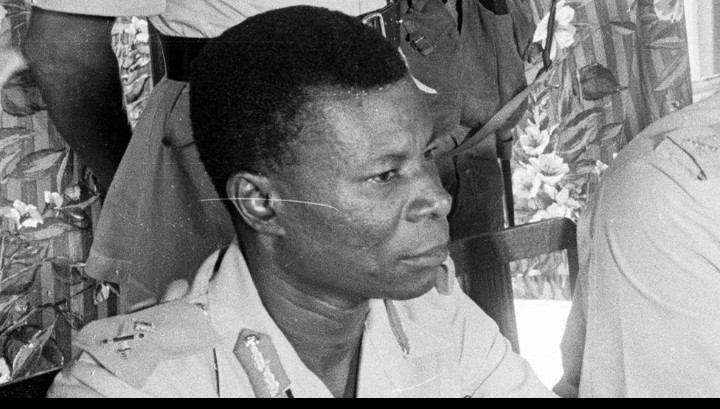
“I was very young, but I remember the trauma,” he said. “There were nights I couldn’t sleep. I had nightmares about soldiers coming back. It was a frightening time for our family.”
He explained that his father’s detention not only disrupted their family life but also exposed him at an early age to the harsh realities of political instability. The experience, he noted, shaped his appreciation for democracy, constitutional rule, and the importance of safeguarding civil liberties.
According to the President, the emotional impact extended beyond fear. It also instilled in him a sense of resilience and a deeper understanding of the sacrifices many families endured during periods of military rule. He described how his mother and other relatives had to hold the family together while navigating uncertainty about his father’s fate.
The 1966 coup ushered in years of military governance, altering Ghana’s political trajectory and affecting countless families across the country. For the Mahama family, it was a defining moment that would later influence the young boy who eventually rose to become Head of State.
President Mahama said that while time has eased the pain, the memories remain vivid. He emphasized that Ghana’s democratic journey must be protected to ensure that future generations do not endure similar trauma.
“Democracy may not be perfect,” he stated, “but it offers stability and the rule of law. We must never take that for granted.”
His remarks have resonated with many Ghanaians who lived through periods of political unrest, serving as a reminder of the human cost of instability and the enduring value of peace and constitutional governance.
