
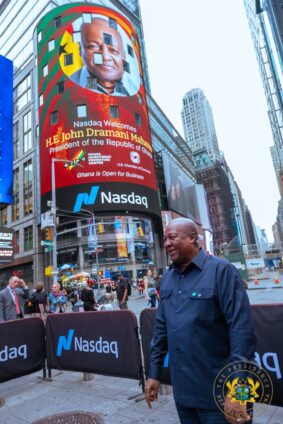

Lincoln University has reportedly cancelled plans to confer an honorary doctorate on Ghana’s President, John Dramani Mahama, citing concerns over his public stance on LGBTQ issues.
According to officials familiar with the decision, the university had initially considered honouring Mahama in recognition of his leadership and contributions to governance and development in Ghana and across Africa. However, after internal consultations and feedback from sections of the university community—including students, faculty, and advocacy groups—the institution decided to withdraw the planned conferment.
University representatives indicated that the decision was influenced by the institution’s stated commitment to inclusivity, diversity, and the protection of the rights of marginalized communities. Some members of the campus community reportedly raised concerns about Mahama’s views and statements regarding LGBTQ rights, arguing that proceeding with the honour would conflict with the university’s values.
In a brief statement, the university noted that honorary degrees are awarded not only for professional achievements but also for alignment with the institution’s principles. “After careful review and dialogue within our community, the university has decided not to proceed with the planned honorary doctorate conferment,” the statement said.
The development has sparked debate both in Ghana and internationally. Supporters of Mahama have criticized the decision, describing it as unfair and an imposition of foreign cultural standards on Ghanaian political discourse. They argue that the former president’s positions reflect widely held views within parts of Ghanaian society and should not overshadow his contributions to democracy and development.
On the other hand, human rights advocates and LGBTQ groups have welcomed the university’s move, saying it sends a clear signal about the importance of protecting minority rights and upholding inclusive values within academic institutions.
As of now, Mahama or his office has not issued an official detailed response to the cancellation. Political analysts say the incident underscores the growing intersection between global human rights debates and international recognition of political leaders.
The controversy also highlights broader tensions between cultural norms in different societies and the expectations of institutions that place strong emphasis on diversity and equality. Observers say such debates are likely to continue as universities and organizations increasingly weigh social values alongside achievements when granting honours.
Source
