
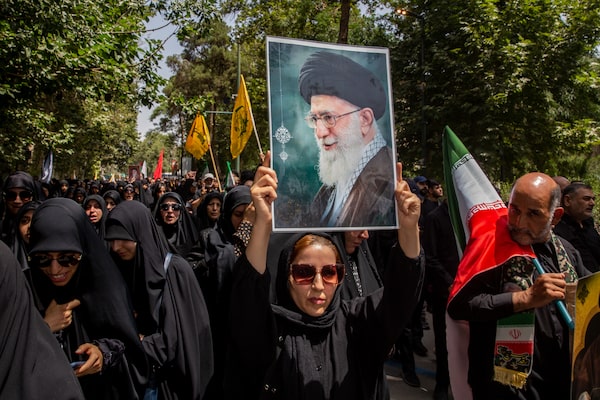

Iranians across the country have taken to the streets in unprecedented numbers following the shocking toppling of the nation’s supreme leader, sparking a wave of both hope and apprehension among citizens and observers alike.
For many, the development represents a historic turning point — an opportunity for greater political freedom, social reforms, and a more open society after decades of authoritarian rule. Protesters have filled city squares, waving flags and chanting slogans calling for justice, transparency, and a new direction for the country. Social media platforms are flooded with images and videos of jubilant crowds, highlighting the sense of empowerment sweeping through the population.
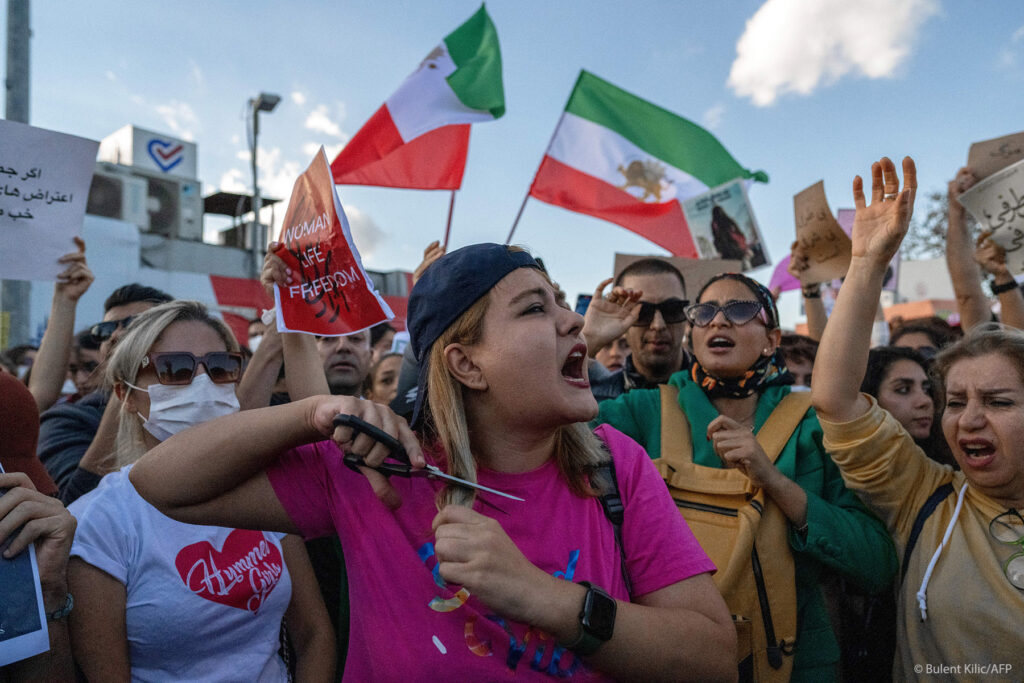
However, alongside the hope, there is palpable fear. Analysts warn that the sudden power vacuum could destabilize the country, triggering internal conflicts, a crackdown by remaining loyalist factions, or even intervention from regional and global powers with vested interests. The uncertainty has left many citizens anxious about the future, uncertain whether the momentum for change can be sustained or if it will be met with violent repression.
Experts note that the coming days will be crucial in determining Iran’s trajectory. How the transitional authorities handle governance, security, and public demands will play a decisive role in either consolidating the promise of reform or plunging the nation into further unrest.
For now, the streets are alive with a mix of exhilaration and tension — a reflection of a society standing at a historic crossroads, navigating the delicate balance between hope for a better future and fear of the challenges that lie ahead.
