
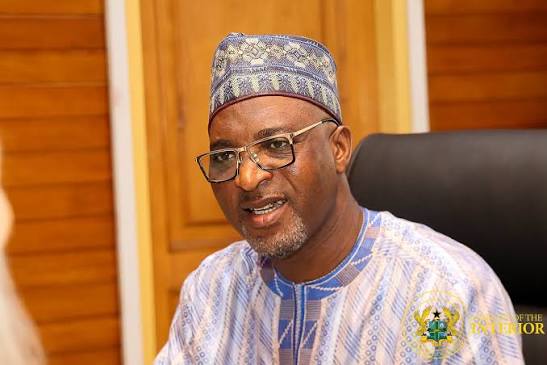

Ghana’s Interior Minister has extended support to inmates across selected correctional facilities with a special Ramadan food donation, aimed at easing their burden during the holy month of fasting and prayer.
The gesture, carried out through the Ministry of the Interior, forms part of efforts to promote compassion, rehabilitation, and inclusivity within the country’s prison system.
Donation to Support Fasting Inmates
The food items — including rice, cooking oil, sugar, and other essential provisions — were presented to prison authorities for distribution among Muslim inmates observing Ramadan. The holy month is marked by fasting from dawn to sunset, increased prayer, and acts of charity.
Officials indicated that the donation was meant to ensure that inmates observing Ramadan are adequately catered for during the fasting period, while also reinforcing the importance of religious tolerance and humanitarian support.
The items were received by representatives of the Ghana Prisons Service, who expressed appreciation for the timely intervention.
Promoting Rehabilitation and Dignity
Speaking during the presentation, the Interior Minister emphasized the need to treat inmates with dignity and respect, noting that incarceration should not strip individuals of their fundamental rights, including the freedom to practice their faith.
He reiterated government’s commitment to improving conditions in correctional facilities and supporting rehabilitation efforts aimed at preparing inmates for successful reintegration into society.
Encouraging Compassion During Ramadan
Ramadan is a period that underscores charity, self-discipline, and empathy for the less privileged. The Minister’s donation, observers say, reflects the broader national call for solidarity and support for vulnerable groups.
Prison authorities assured that the food supplies would be fairly distributed to eligible inmates, ensuring that those observing the fast receive the necessary nutritional support throughout the holy month.
The initiative has been widely viewed as a symbolic yet meaningful step in fostering inclusiveness and reinforcing humanitarian values within Ghana’s correctional system.
