
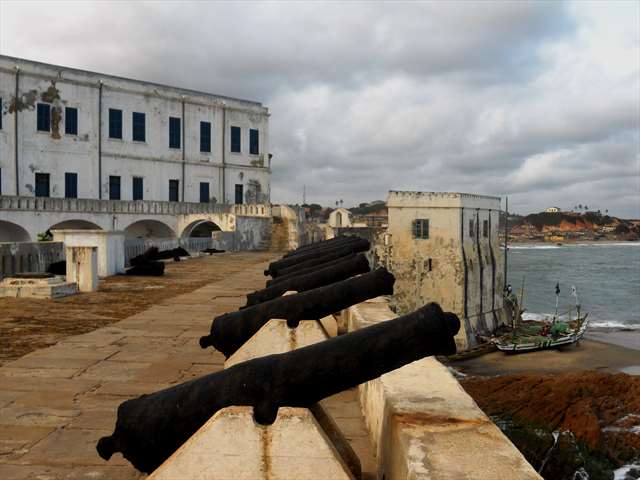

Ghana has intensified efforts to advance a tourism-driven reparations strategy aimed at restoring and preserving its historic forts and castles, many of which stand as enduring symbols of the transatlantic slave trade. The initiative seeks to transform these heritage sites into powerful centers of remembrance, education, and economic growth.
Government officials say the approach blends historical justice with sustainable development, positioning tourism as a key vehicle for reparative action. By investing in the rehabilitation of centuries-old coastal forts and castles, authorities hope to safeguard the structures while deepening engagement with the African diaspora.
Among the most prominent landmarks targeted for restoration are the Cape Coast Castle and Elmina Castle, both UNESCO World Heritage Sites that draw thousands of visitors each year. These sites played central roles during the slave trade era and have since become pilgrimage destinations for descendants seeking to reconnect with their ancestral roots.
The tourism-led reparations agenda is also expected to generate jobs, stimulate local economies, and enhance cultural education. Officials argue that by reinvesting tourism revenue into preservation and community development, Ghana can create a sustainable model that honors history while driving future prosperity.
Stakeholders in the cultural and heritage sectors have welcomed the initiative, describing it as a bold step toward addressing historical injustices through tangible action. As restoration efforts gain momentum, Ghana continues to position itself as a leading destination for heritage tourism and a key voice in global conversations on reparations and historical accountability.
