
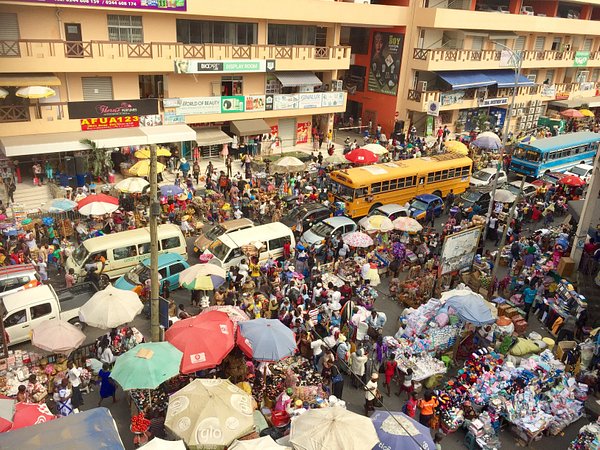

A new study on urban mobility has revealed that Ghana loses more than GH¢4.5 billion each year due to traffic congestion, highlighting the severe economic toll of gridlock in major cities across the country.
The findings underscore the urgent need for comprehensive transport reforms, improved infrastructure, and smarter traffic management systems to curb mounting productivity losses.
Productivity, Fuel and Time Losses Drive Economic Impact
According to the study, the staggering annual loss stems from a combination of wasted fuel, extended travel times, reduced worker productivity, increased vehicle maintenance costs, and environmental degradation.
Urban centres such as Accra and Kumasi were identified as major hotspots for congestion, with commuters spending several hours daily in traffic — time that could otherwise be channelled into economic activity.
The report indicates that businesses also bear a heavy burden, as delays in the movement of goods and services disrupt supply chains and increase operational costs.
Growing Urbanisation Worsening the Crisis
Researchers attribute the worsening congestion to rapid urbanisation, inadequate road infrastructure, weak enforcement of traffic regulations, and limited investment in efficient public transport systems.
With Ghana’s urban population steadily rising, the demand for mobility continues to outpace infrastructure expansion, creating persistent bottlenecks across key transport corridors.
The study warns that without bold and coordinated interventions, congestion-related losses could escalate further in the coming years.
Call for Sustainable Transport Solutions
The report recommends expanding mass transit systems, investing in rail infrastructure, promoting non-motorised transport options, and deploying smart traffic management technologies.
It also urges policymakers to integrate urban planning with transport development to ensure sustainable city growth.
Stakeholders argue that tackling traffic congestion is not merely a transport issue but a national economic priority, as the billions lost annually represent resources that could otherwise support development initiatives.
The findings have renewed calls for government, city authorities, and private sector players to collaborate on long-term solutions to ease congestion and unlock productivity gains across Ghana’s urban centres.
