
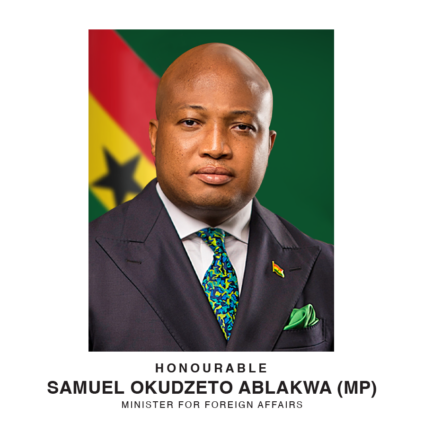

Ghana is leading a renewed global push for justice over the transatlantic slave trade, presenting a landmark resolution at the United Nations that seeks to advance reparations for millions of Africans and their descendants affected by centuries of enslavement and colonial exploitation.
The initiative, spearheaded by the government under President John Dramani Mahama, aims to place the issue of reparatory justice firmly on the international agenda. Ghana’s delegation to the United Nations is expected to lobby member states to support a resolution calling for deeper acknowledgment of historical injustices and concrete measures to address their lasting economic and social impacts.
According to Ghanaian officials, the proposed resolution will urge the global community to strengthen dialogue on reparations, expand research into the long-term consequences of slavery, and encourage policies that support development in countries most affected by the slave trade. The move is also intended to reinforce ongoing international discussions about restitution, historical accountability, and the legacy of colonialism.
Diplomatic sources say Ghana’s proposal has already drawn attention from several African and Caribbean nations that have long advocated reparatory justice. Many of these countries argue that the wealth accumulated through the transatlantic slave trade played a major role in shaping modern global inequalities, leaving African states and diaspora communities with lasting economic disadvantages.
The resolution is expected to be presented at the United Nations during a special session focused on historical justice and reparations. Ghana is working closely with partners within the African Union and the Caribbean Community (CARICOM) to build broad international backing ahead of deliberations.
Supporters of the initiative say the proposal goes beyond financial compensation. Instead, it seeks a comprehensive framework that may include debt relief, development partnerships, cultural restoration, educational investment, and formal recognition of the historical wrongs committed during the slave trade era.
Ghana has positioned itself as a leading voice on the issue in recent years, particularly through initiatives aimed at reconnecting with the African diaspora and highlighting the historical significance of sites linked to the slave trade. Government officials believe the resolution could mark a significant step toward a unified global response to the calls for reparations.
If adopted, analysts say the resolution would represent one of the most significant international acknowledgments of the legacy of the slave trade in recent years, potentially opening the door for further negotiations on practical measures to address its enduring impact on societies across Africa and the diaspora.
