
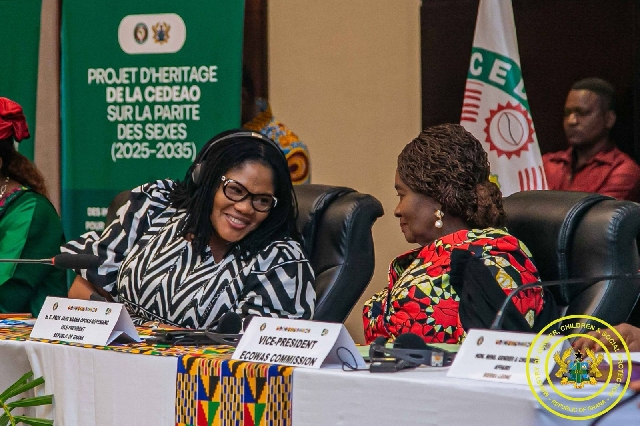

High-level discussions between Ghana and the Economic Community of West African States (ECOWAS) have concluded with a strong commitment to advancing political inclusion for women and young people across the sub-region.
The talks, which brought together government representatives, regional officials and policy stakeholders, focused on strengthening democratic governance, enhancing representation and promoting inclusive participation in political decision-making processes.
Stronger Commitment to Inclusive Governance
At the heart of the discussions was a shared recognition that sustainable democracy cannot thrive without meaningful participation from women and youth — two groups that make up a significant portion of West Africa’s population but remain underrepresented in political leadership.
Officials emphasised that inclusive governance is critical to peace, stability and long-term development within the ECOWAS region. Participants agreed that empowering women and young people to take active roles in politics would strengthen institutions and improve policy responsiveness.
The talks reaffirmed commitments under existing regional frameworks that promote gender equality, youth empowerment and democratic consolidation.
Addressing Barriers to Participation
Delegates acknowledged persistent structural and socio-cultural barriers that limit the political advancement of women and youth. These include limited access to campaign financing, entrenched gender norms, lack of mentorship opportunities and inadequate policy support mechanisms.
The Ghana–ECOWAS engagement explored strategies to address these challenges, including legislative reforms, capacity-building programmes and the enforcement of affirmative action policies where applicable.
Participants also highlighted the importance of civic education and leadership training initiatives to equip young people and women with the skills and confidence needed to compete effectively in political spaces.
Collaboration on Regional Standards
The discussions underscored the need for harmonised regional standards that encourage member states to adopt inclusive political practices. ECOWAS officials reiterated the bloc’s readiness to support Ghana and other member countries in implementing policies that broaden participation.
By fostering collaboration between national governments and regional institutions, stakeholders believe progress can be accelerated toward achieving equitable representation in parliaments, local assemblies and executive offices.
Pathway to Sustainable Democracy
The renewed push for inclusion comes at a time when West Africa faces evolving political challenges, including democratic backsliding and public distrust in institutions. Leaders at the talks stressed that empowering women and youth is not only a matter of fairness but also a strategic imperative for democratic resilience.
The meeting concluded with a pledge to strengthen monitoring mechanisms, promote dialogue among political actors and ensure that commitments translate into measurable outcomes.
As Ghana continues to position itself as a key democratic actor within the ECOWAS bloc, the outcome of the talks signals a collective determination to make political systems more representative, participatory and reflective of the region’s diverse population.
