
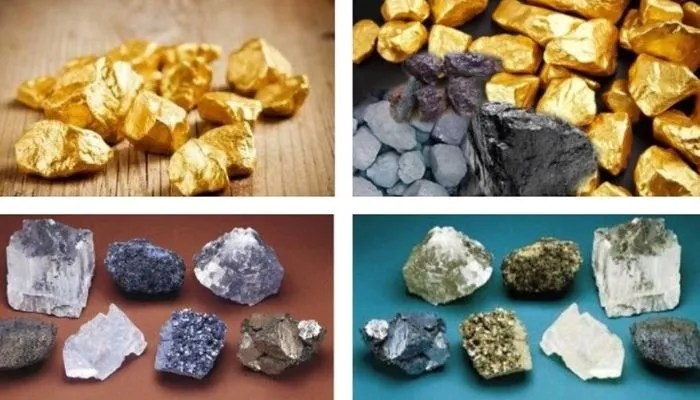

Ghana has earned billions of cedis in mineral royalties since 2011, underscoring the mining sector’s critical role in national revenue mobilisation and economic development.
An analysis of official data from the Ministry of Finance and the Minerals Commission shows steady growth in royalty inflows over the past decade, largely driven by increased gold production, favourable global commodity prices, and enhanced regulatory oversight.
Gold Dominates Royalty Earnings
Ghana remains Africa’s leading gold producer, with the precious metal accounting for the overwhelming share of mineral royalties. The country overtook South Africa in 2019 and has since maintained its position as a continental leader in gold output.
Ghana Revenue Authority data indicates that mineral royalty receipts have consistently formed a significant portion of domestic revenue, with gold contributing over 90 per cent of total mineral earnings in most years.
Other minerals such as manganese, bauxite and diamonds have also contributed to the national purse, albeit on a smaller scale.
Major Mining Firms Power Revenue Growth
Large-scale mining companies have played a central role in driving royalty payments. Key operators include:
Newmont Corporation (Ahafo and Akyem mines)
AngloGold Ashanti (Obuasi mine)
Gold Fields (Tarkwa and Damang mines)
These firms, alongside several mid-tier producers and licensed small-scale miners, have collectively boosted output and, by extension, royalty inflows.
Impact of Global Prices and Policy Reforms
Fluctuations in global gold prices have significantly influenced royalty collections. Periods of high international prices — particularly between 2020 and 2023 — translated into stronger fiscal receipts for the state.
Government policy interventions have also shaped earnings. Reforms including stricter monitoring of exports, digitisation of production reporting, and enhanced collaboration between regulatory agencies have helped plug revenue leakages.
The introduction of new fiscal measures and increased scrutiny of small-scale mining operations have further strengthened compliance.
Mineral Royalties as a Pillar of Development
Mineral royalties are paid as a percentage of gross revenue from mineral production. Under Ghana’s mining laws, these funds are channelled into the Consolidated Fund, with a portion distributed to mining communities through the Minerals Development Fund.
Over the years, royalty revenues have supported infrastructure projects, social programmes, and macroeconomic stability efforts, especially during periods of fiscal pressure.
Looking Ahead
With continued investment in exploration, expansion of existing mines, and sustained global demand for gold, Ghana’s mineral royalty earnings are expected to remain robust.
However, analysts caution that long-term gains will depend on stronger value addition, environmental sustainability, and prudent management of mineral wealth to ensure broad-based national development.
