
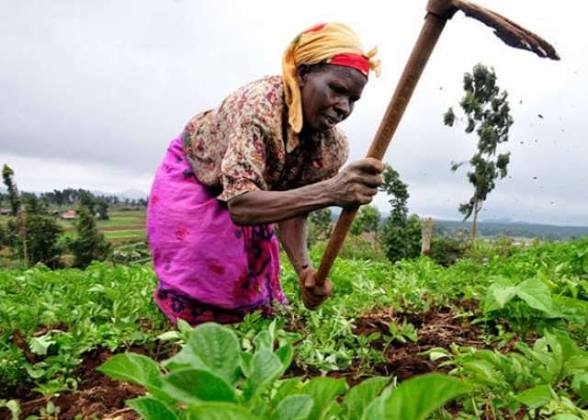

Farmers across Ghana are being encouraged to properly document and register the trees they plant on their farms to enable them benefit financially from them in the future. Agricultural and forestry experts say keeping records of planted trees can help farmers claim ownership, access compensation, and take advantage of emerging opportunities within climate and carbon credit programmes.
According to officials from the Forestry Commission of Ghana, many farmers plant and nurture trees on their farms but fail to keep records or formally register them. This often makes it difficult for them to prove ownership when the trees mature or when development projects require compensation for affected trees.
They explained that documentation may include keeping simple records such as the type of trees planted, the number planted, the year of planting, and the location of the farm. Farmers are also advised to work with local forestry offices to ensure the trees are properly recorded under existing policies that support farmer-managed tree planting.
The Commission noted that documenting planted trees can open doors to financial benefits, including potential revenue from timber when the trees mature, as well as participation in environmental programmes designed to reward farmers for protecting and expanding forest cover.
Experts say this is particularly important as Ghana intensifies efforts to restore degraded lands and promote sustainable agriculture. Programmes that support tree planting on farms are also being linked to climate action initiatives, including those backed by the United Nations, which encourage countries to increase tree cover to reduce carbon emissions.
Agricultural extension officers are therefore urging farmers to take tree planting seriously as both an environmental and economic activity. They say that beyond improving soil fertility and providing shade for crops such as cocoa, well-documented trees can become valuable assets that farmers can rely on for future income.
Farmers have also been advised to seek guidance from district agriculture offices and forestry officials to understand the registration processes and the benefits attached to them. Authorities believe that with proper documentation and support, more farmers will be motivated to plant and protect trees, contributing to both rural livelihoods and national environmental goals.
