


Families who lose loved ones as a result of Ghana’s persistent “no bed syndrome” have every right to seek legal redress against health facilities that fail to provide timely care, Dr. Nawaane has stated.
According to him, the growing phenomenon where critically ill patients are turned away from hospitals due to the unavailability of beds is not only a systemic failure but also a potential violation of patients’ rights.
‘No Bed Syndrome’ Still Haunts Ghana’s Health System
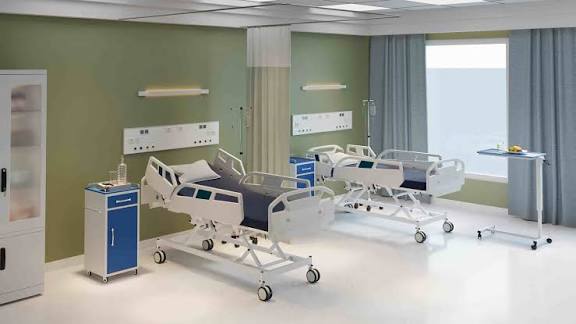
The term “no bed syndrome” gained national attention following several tragic incidents in which patients reportedly died after being referred from one hospital to another in search of admission. Despite public outrage and policy discussions over the years, similar cases continue to surface.
Dr. Nawaane argued that while infrastructure constraints and high patient volumes are real challenges, they do not absolve health facilities of their duty of care.
“When a life is lost because a patient could not access emergency treatment, accountability must follow,” he stressed.
Legal Action as a Tool for Accountability
Dr. Nawaane believes that legal action by affected families could compel health institutions to prioritise emergency preparedness and patient management systems.
He explained that the right to health is enshrined in Ghana’s laws and international commitments, and hospitals—whether public or private—have a responsibility to provide emergency care or ensure swift and effective referrals.
Legal suits, he said, would not only serve justice for grieving families but also act as a deterrent against negligence and systemic inefficiencies.
Call for Structural Reforms
Beyond litigation, Dr. Nawaane called for urgent reforms in Ghana’s healthcare delivery system, including:
Expansion of emergency and critical care infrastructure
Improved coordination among referral facilities
Real-time bed availability tracking systems
Increased investment in health personnel and logistics
He emphasised that while court action may drive change, long-term solutions require strong political will and sustained funding.
A Matter of Life and Death
The debate over “no bed syndrome” continues to highlight deep-rooted gaps in Ghana’s healthcare system. For many families, the issue is no longer about policy discussions—it is about lives lost and accountability denied.
Dr. Nawaane insists that until institutions are held responsible for preventable deaths, the cycle of tragedy may persist.
“Lives are at stake,” he said. “And no family should have to hear that there was simply no bed available when their loved one needed help the most.”
