
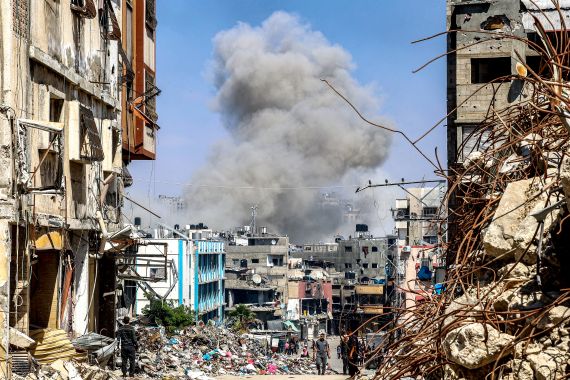

At least eleven people have been killed following a series of Israeli airstrikes across the Gaza Strip, according to local rescue officials, in the latest escalation of violence in the region.
Emergency responders in Gaza said the strikes targeted multiple locations overnight, hitting residential buildings and densely populated neighbourhoods. Civil defence teams worked through the rubble into the early hours of the morning, pulling out victims and searching for survivors trapped beneath collapsed structures.
Health authorities in Gaza reported that women and children were among the dead, with several others sustaining injuries of varying degrees. The wounded were rushed to nearby hospitals, many of which are already operating under severe strain due to shortages of medical supplies and fuel.
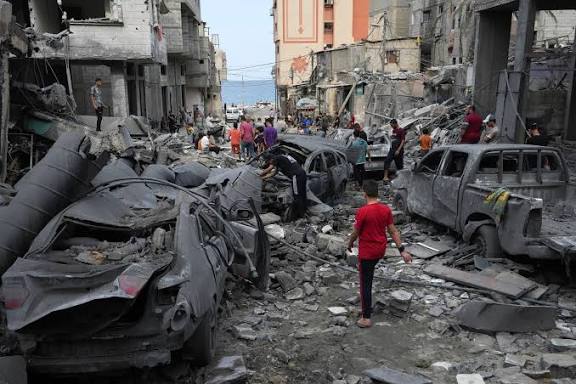
The Israeli military has not immediately issued a detailed statement on the specific strikes but has previously said its operations are aimed at militant targets. Israeli officials maintain that the strikes are part of broader efforts to dismantle armed groups operating within the enclave.
Residents described scenes of panic and devastation as explosions rocked different parts of the territory. “The ground was shaking, and we didn’t know where the next strike would land,” one eyewitness said. Families fled their homes in fear, seeking shelter in safer areas, though safe zones remain limited.
The renewed bombardment comes amid heightened tensions in the long-running conflict between Israel and Palestinian factions in Gaza. International mediators have been attempting to prevent further escalation, urging restraint from all sides to protect civilians.
Humanitarian agencies have expressed deep concern over the worsening conditions in Gaza, warning that continued hostilities could exacerbate an already dire humanitarian crisis. With infrastructure heavily damaged and essential services disrupted, aid groups say civilians are bearing the brunt of the violence.
Calls for a ceasefire have intensified from regional and global leaders, who fear the situation could spiral further. However, prospects for an immediate de-escalation remain uncertain as both sides continue to trade accusations over responsibility for the ongoing clashes.
The situation remains fluid, with rescue teams still assessing the full extent of casualties and damage from the latest strikes
