
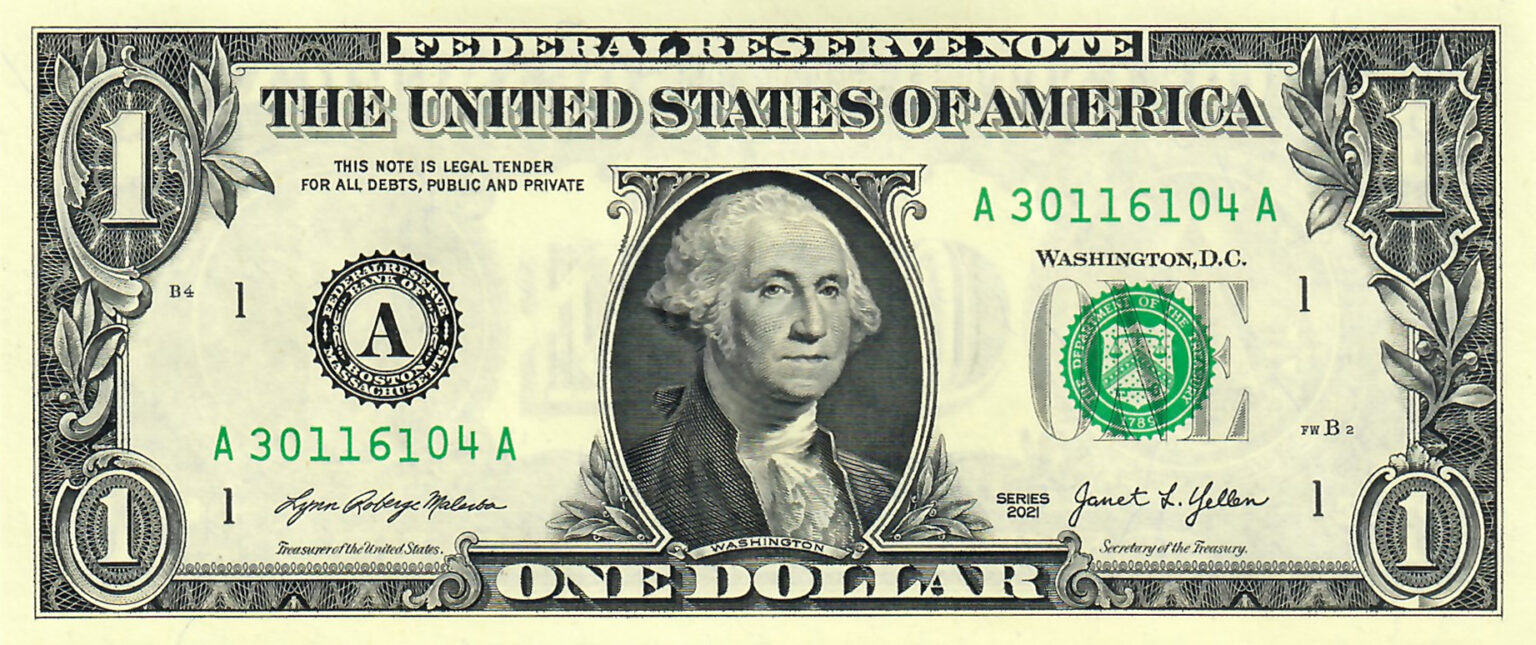

The US dollar weakened in global trading after signs emerged that former President Donald Trump could soften or recalibrate his hardline tariff proposals, triggering renewed uncertainty in currency and financial markets.
Investors reacted swiftly as indications grew that elements of the much-talked-about “tariff wall” — a cornerstone of Trump’s trade rhetoric — may face political, legal, or economic hurdles. The prospect of adjustments to sweeping import duties dampened bullish momentum that had previously supported the dollar on expectations of aggressive protectionist policies.
Currency traders had earlier priced in stronger trade barriers as a factor that could boost domestic manufacturing and potentially strengthen the US economy in the short term. However, fresh signals suggesting delays, exemptions, or resistance to blanket tariffs prompted a reassessment of those positions, pushing the dollar lower against major global currencies.
Market analysts say the dip reflects more than just trade policy uncertainty. It also highlights broader investor caution over inflation risks, supply chain disruptions, and potential retaliation from key US trading partners. Any large-scale tariff expansion could raise costs for businesses and consumers, complicating monetary policy decisions and economic forecasts.
Equity markets showed mixed reactions, while bond yields fluctuated as traders weighed the possible economic consequences of a softer or more fragmented tariff strategy. Some economists argue that scaling back sweeping tariffs could ease inflationary pressure, while others warn that policy inconsistency may unsettle markets further.
The dollar’s retreat underscores how closely global financial markets are tracking developments around US trade policy. With investors seeking clarity, the trajectory of tariff measures — and the broader direction of economic leadership — is likely to remain a key driver of currency movements in the coming weeks.
