
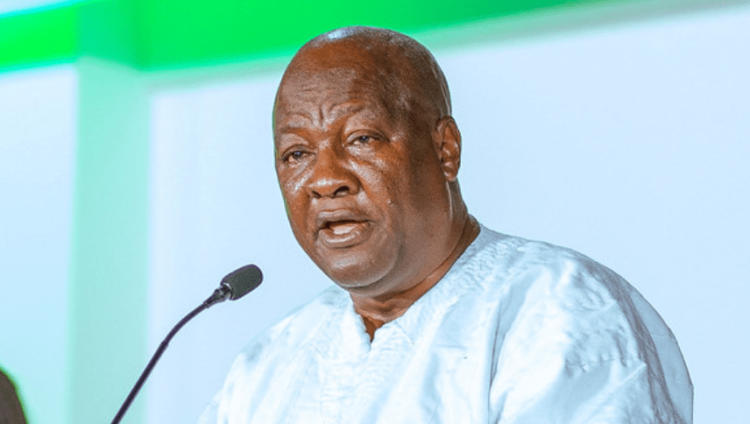

The Council of State has congratulated former President John Dramani Mahama following the adoption of a landmark resolution at the United Nations concerning the legacy and impact of slavery.
In a statement, members of the Council commended Mahama for his role and advocacy that contributed to international attention on the issue, describing the resolution as an important step toward acknowledging historical injustices and promoting global dialogue on reparations and restorative justice.
The Council noted that the adoption of the resolution by the UN reflects growing international recognition of the lasting social and economic consequences of slavery and the transatlantic slave trade on affected communities, particularly in Africa and the diaspora.
According to the Council of State, Ghana’s continued involvement in global discussions on historical accountability and justice highlights the country’s longstanding commitment to Pan-African ideals and the pursuit of fairness in international relations. They emphasized that such efforts also strengthen Ghana’s position as a leading voice on issues affecting people of African descent worldwide.
Members of the Council praised Mahama for championing the cause and bringing attention to matters that resonate deeply with many Africans and descendants of enslaved people around the world. They said the development represents a moment of pride for Ghana and an opportunity for further engagement on policies aimed at addressing historical wrongs.
The Council further encouraged continued collaboration between governments, international organizations and civil society groups to ensure that the resolution translates into meaningful action. They stressed the need for sustained dialogue, research and policy initiatives that will help address the long-term impacts of slavery and colonial exploitation.
The statement concluded by expressing hope that the momentum generated by the resolution will inspire more countries and institutions to support initiatives that promote historical justice, reconciliation and development for affected populations.
