
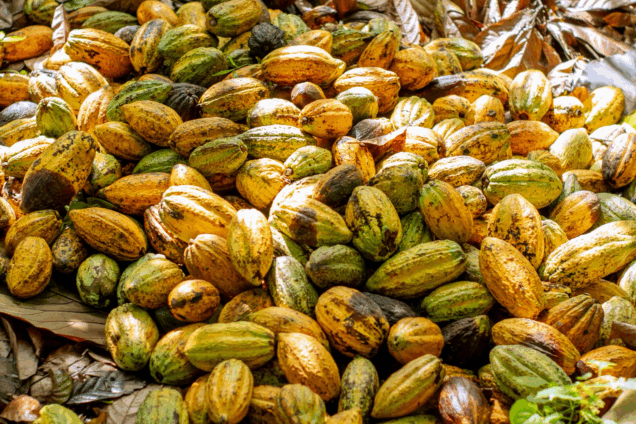

Concerns are mounting that any reduction in cocoa producer prices could inadvertently fuel illegal mining activities, popularly known as galamsey, and undermine environmental sustainability efforts across Ghana’s cocoa-growing regions.
Stakeholders warn that lowering cocoa prices at a time when farmers are already grappling with rising input costs and declining yields may push some producers to seek alternative — and often destructive — sources of income.
Lower Cocoa Prices Could Drive Farmers to Illegal Mining
Industry observers argue that cocoa farming remains the primary livelihood for hundreds of thousands of rural households. However, when returns diminish, the financial pressure can make illegal small-scale mining appear more lucrative.
Galamsey operations have devastated vast stretches of arable land, polluted water bodies, and destroyed cocoa farms, threatening both food security and long-term agricultural productivity.
Analysts caution that a reduction in cocoa prices could weaken the economic incentive to maintain farms, potentially accelerating land sales or leases to illegal miners.
Environmental Sustainability at Stake
Ghana’s cocoa sector plays a critical role in environmental conservation, with farms serving as vital carbon sinks and biodiversity habitats. A decline in farmer incomes could compromise investments in sustainable farming practices, reforestation initiatives, and climate-resilient agriculture.
Environmental advocates warn that weakened profitability in cocoa farming may derail national efforts to combat deforestation and restore degraded lands.
They stress that price stability is not only an economic issue but also an environmental imperative.
Balancing Fiscal Realities with Farmer Welfare
While policymakers may face fiscal constraints or global market pressures that influence producer prices, experts urge a cautious approach that prioritises farmer welfare and long-term sector stability.
Support measures such as input subsidies, improved extension services, and productivity enhancement programmes are being proposed as buffers against potential income shocks.
Stakeholders insist that safeguarding cocoa farmers’ livelihoods is essential to sustaining Ghana’s fight against galamsey and protecting the environment.
As discussions around cocoa pricing continue, many believe that the broader implications for rural economies and ecological preservation must remain at the forefront of policy decisions.
