
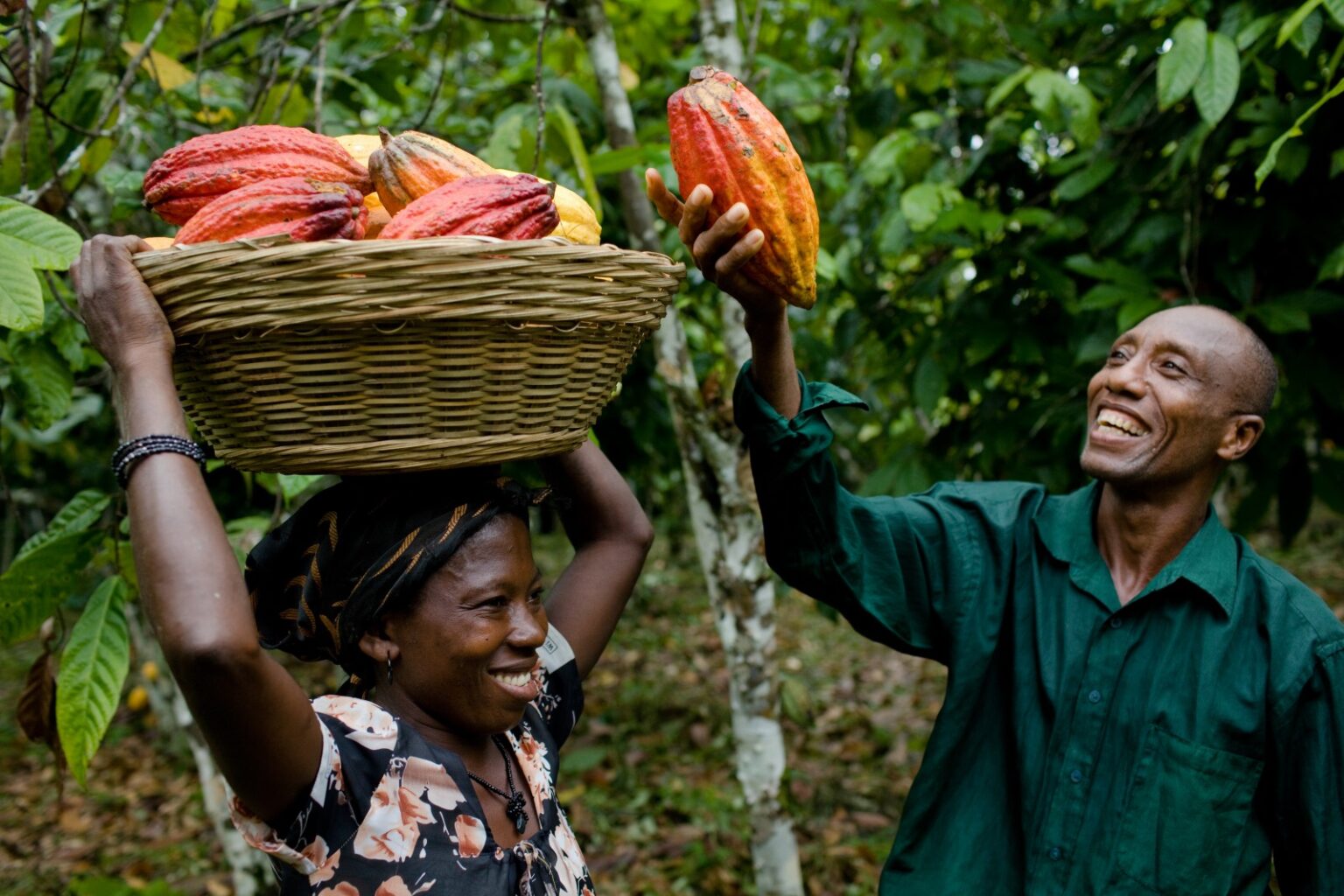

Cocoa farmers across Ghana have expressed deep concern over the recent reduction in the producer price of cocoa, warning that the move could significantly undermine their livelihoods and threaten the sustainability of the country’s cocoa sector.
The price adjustment, announced by the (COCOBOD), has sparked anxiety among farmers who say their incomes are already stretched by rising production costs, climate-related challenges, and the persistent threat of illegal mining activities.
Farmers Say Income Cuts Will Deepen Hardship
Several cocoa farmers argue that the reduction comes at a time when they are grappling with high input costs, including fertilizers, agrochemicals, and labour. According to them, the lower producer price will reduce household incomes and make it difficult to reinvest in their farms.
“We are already struggling to maintain our farms,” one farmer lamented. “When the price is cut, it affects everything — from paying school fees to maintaining the farm for the next season.”
Farmers fear that the price cut could discourage productivity, especially among smallholder farmers who rely solely on cocoa as their primary source of income.
Rising Production Costs Worsen the Situation
Industry observers note that the cost of farm inputs has increased considerably in recent years. Fertilizer prices, in particular, have surged, while access to subsidised inputs remains inconsistent in some cocoa-growing communities.
Farmers say that without adequate financial returns, it will be difficult to apply recommended agronomic practices, potentially affecting yield and quality in the long term.
The cocoa sector, which remains a backbone of Ghana’s economy, depends heavily on smallholder farmers who cultivate the crop across the Western, Ashanti, Eastern, and Brong Ahafo regions.
Concerns Over Sector Sustainability
Stakeholders warn that sustained low producer prices could have unintended consequences for the industry. Some fear that farmers may abandon cocoa farming altogether or resort to alternative livelihoods, including leasing farmlands for illegal mining activities.
Ghana is the world’s second-largest cocoa producer after Côte d’Ivoire, and the sector contributes significantly to foreign exchange earnings. Any disruption to farmer incentives could have ripple effects on production levels and export revenues.
The has previously defended price adjustments as necessary to align with global market conditions and ensure financial stability within the cocoa value chain. However, farmers are calling for greater consultation and transparency in future decisions affecting their incomes.
Calls for Government Intervention
Farmer associations are urging the government to cushion producers through targeted subsidies, improved access to farm inputs, and expanded social support programmes.
They insist that protecting cocoa farmers’ incomes is critical not only for rural livelihoods but also for safeguarding Ghana’s reputation as a leading global cocoa producer.
As discussions continue, many farmers hope that authorities will reconsider the pricing decision or introduce mitigating measures to prevent further economic strain in cocoa-growing communities.
