

The Confederation of African Football has officially unveiled a new format for the Africa Cup of Nations, expanding the competition to feature 28 teams and introducing a fresh four-year cycle aimed at enhancing the tournament’s competitiveness and organizational efficiency.
Under the new structure, the AFCON will now accommodate 28 national teams, up from the previous 24, allowing more countries across the continent to participate in Africa’s premier football competition. CAF officials explained that the expansion is part of a broader strategy to promote inclusivity, improve competitive balance, and provide emerging football nations with a platform to showcase their talent on the continental stage.
In addition to the expanded team roster, CAF has announced a four-year cycle for the tournament, aligning its schedule with other major international football events. This move is intended to give member associations sufficient time to prepare, while also providing a predictable calendar for players, clubs, and fans.
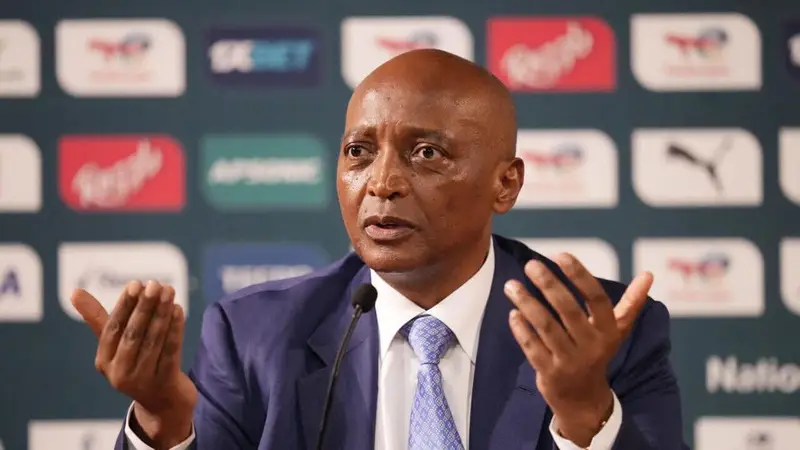
Speaking at the announcement, CAF President Patrice Motsepe highlighted the significance of the changes. “This new AFCON format reflects our commitment to growing African football, giving more nations the opportunity to compete, and ensuring that the tournament continues to reach new heights in quality and organization,” he said.
The new format also includes adjustments to the group stage and knockout rounds to accommodate the additional teams. According to CAF, detailed information on the draw procedure, match scheduling, and host selection will be communicated in the coming months.
Football analysts have welcomed the announcement, noting that the inclusion of more teams could increase competitiveness and provide a richer spectacle for fans across Africa and around the world. However, some have also raised questions about logistical challenges and the need for adequate infrastructure in host nations to support the expanded tournament.
CAF’s new AFCON format is expected to come into effect for the next edition of the tournament, offering a refreshed and more inclusive vision for African football as the continent continues to strengthen its presence on the global stage.
source
