
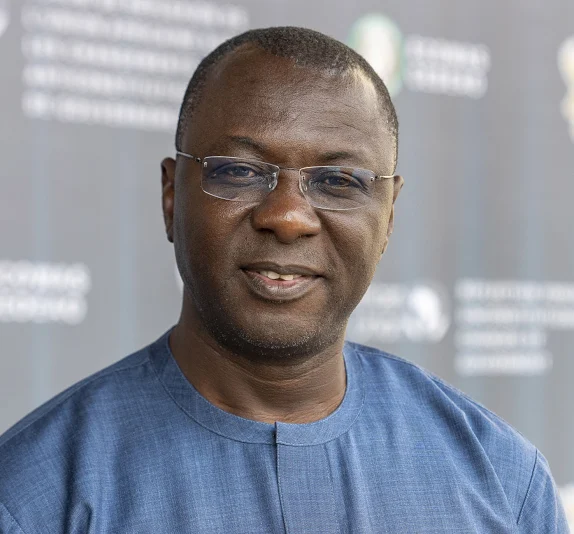

A former Finance Minister, Dr. Mohammed Amin Adam, has strongly criticised the opposition National Democratic Congress (NDC) over what he describes as poor economic management during its time in government, accusing the party of mismanaging public finances and weakening key sectors of the economy.
Speaking at a public forum, Dr. Amin Adam said the NDC’s track record in handling Ghana’s economy raises serious concerns about its ability to deliver sustainable growth and stability. He argued that under the NDC administration, the country experienced rising public debt, high inflation, and significant fiscal deficits that placed enormous strain on businesses and households.
According to him, the economic challenges Ghana continues to grapple with today can partly be traced to policy decisions taken by the NDC while in office. He claimed that weak fiscal discipline and excessive borrowing created vulnerabilities that made the economy less resilient to global shocks.
Dr. Amin Adam further maintained that the current administration had to implement difficult but necessary reforms to restore macroeconomic stability and rebuild investor confidence. He pointed to measures aimed at boosting domestic revenue mobilisation, rationalising expenditure, and stabilising the currency as steps taken to correct past missteps.
He also questioned the NDC’s recent criticisms of the government’s economic policies, describing them as politically motivated and lacking credibility. “You cannot mismanage an economy and later claim to have the solutions,” he stated, urging Ghanaians to critically assess the party’s record before the next general elections.
The NDC, however, has consistently rejected claims of economic mismanagement, arguing that global factors, including the COVID-19 pandemic and international market disruptions, significantly affected Ghana’s economy. Party officials insist that their policies during their tenure laid the foundation for growth and infrastructure development.
Dr. Amin Adam called for a focus on long-term structural reforms rather than what he described as short-term populist policies. He emphasised the need for prudent fiscal management, enhanced industrialisation, and support for local businesses to drive inclusive economic growth.
The debate over economic management is expected to intensify as political parties gear up for the upcoming elections, with both sides seeking to convince voters of their competence in steering Ghana toward prosperity.
