
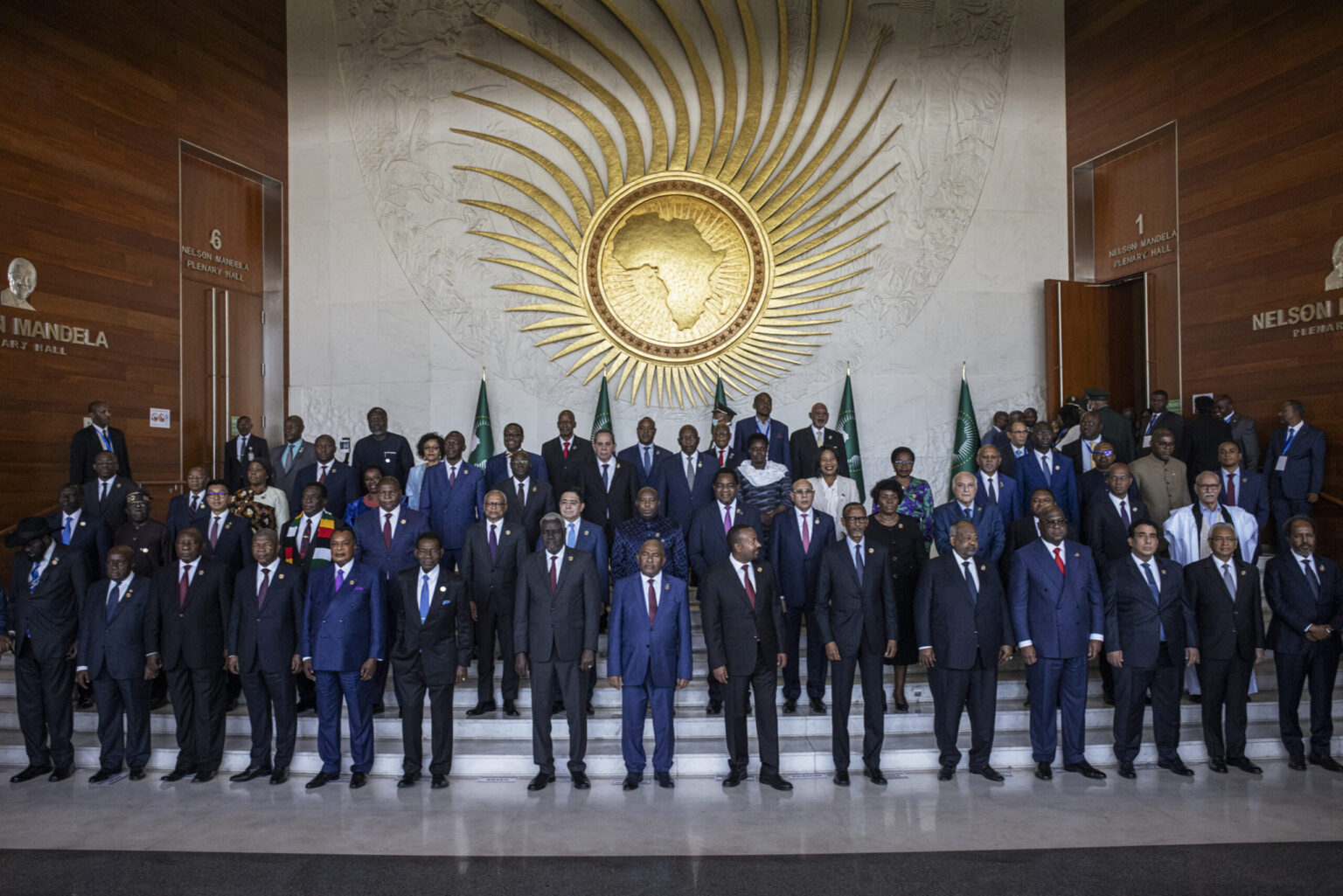

The latest African Union (AU) Summit, convened to address pressing issues of security, economic integration and governance across the continent, was overshadowed by intensifying geopolitical tensions in the Horn of Africa — particularly the growing rivalry between Saudi Arabia and the United Arab Emirates (UAE).
While African leaders gathered under the banner of unity and continental cooperation, diplomatic observers noted that behind closed doors, discussions were heavily influenced by external competition for strategic influence in the Red Sea corridor and the broader Horn region.
The Horn of Africa — comprising countries such as Ethiopia, Somalia, Djibouti and Eritrea — has increasingly become a theatre for Gulf power politics. Both Saudi Arabia and the UAE have deepened their engagement in the region through military partnerships, port investments, infrastructure projects and political alliances.
Analysts say the Red Sea’s strategic shipping lanes, which connect Europe to Asia via the Suez Canal, have heightened the region’s importance. Control and influence over ports and maritime routes have become central to Gulf states seeking to secure trade routes and expand their geopolitical footprint.
At the summit, several African leaders expressed concern about the impact of foreign rivalries on regional stability. The Horn has already been grappling with internal conflicts, fragile transitions and humanitarian crises. The added dimension of Gulf competition, some argue, risks complicating peace efforts and deepening divisions among regional actors.
The UAE has made significant investments in port infrastructure across the Horn, while Saudi Arabia has strengthened security and political ties with key governments. Though both countries frame their involvement as supportive of development and stability, critics contend that their rivalry has occasionally exacerbated political tensions.
Diplomatic sources suggest that divisions among AU member states over how to engage Gulf partners were evident during discussions. Some governments view Gulf investment as vital for economic recovery and development, while others warn against becoming entangled in external power struggles.
Observers say the situation underscores a broader challenge facing the AU — how to safeguard African agency amid intensifying global competition for influence on the continent. As global powers increasingly turn their attention to Africa’s strategic corridors and resources, the need for coordinated continental policy has become more urgent.
Despite the overshadowing geopolitical tensions, the summit concluded with renewed commitments to conflict resolution, economic integration under the African Continental Free Trade Area (AfCFTA), and strengthening institutional reforms within the AU.
However, the lingering question remains whether African leaders can maintain unity and assert collective interests in the face of competing external powers vying for influence in one of the continent’s most strategically significant regions.
