
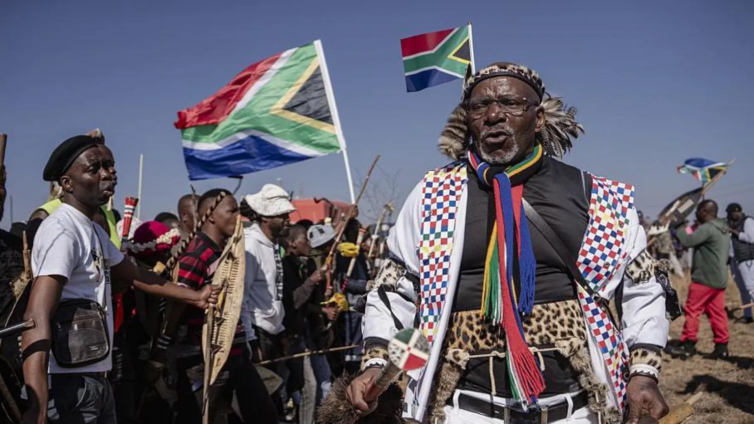

South African President Cyril Ramaphosa has issued a stern warning to anti-migrant protesters, urging them to respect the rule of law and refrain from intimidating or forcibly removing foreign nationals ahead of a self-imposed deadline set by activist groups.
The warning comes as organisations campaigning against illegal immigration have intensified demonstrations in several communities, demanding that undocumented migrants leave the country. Some groups have reportedly given foreign nationals an unofficial deadline to vacate certain areas, raising fears of violence and xenophobic attacks.
Speaking through the Presidency, Ramaphosa stressed that while South Africans have the right to express their concerns over issues such as illegal immigration, unemployment and crime, no individual or group has the authority to enforce immigration laws or evict people from their homes.
He emphasised that immigration enforcement remains the responsibility of the state and its security agencies, adding that anyone found taking the law into their own hands would face legal consequences.
The president also called on law enforcement agencies to remain vigilant and ensure public safety, particularly in communities where tensions have escalated. He urged police to act decisively against any acts of intimidation, violence or vigilantism directed at migrants.
The renewed anti-migrant protests have sparked concern among human rights organisations, which warn that inflammatory rhetoric and unlawful actions could fuel xenophobic violence similar to previous attacks that have claimed lives and displaced thousands of foreign nationals living in South Africa.
South Africa has long grappled with tensions over immigration, with many citizens blaming undocumented migrants for rising crime, pressure on public services and high unemployment. However, government officials have repeatedly maintained that concerns over immigration must be addressed through lawful processes rather than mob action.
Ramaphosa appealed for calm and national unity, urging communities to reject violence and work with authorities to resolve immigration-related concerns within the framework of the law.
