
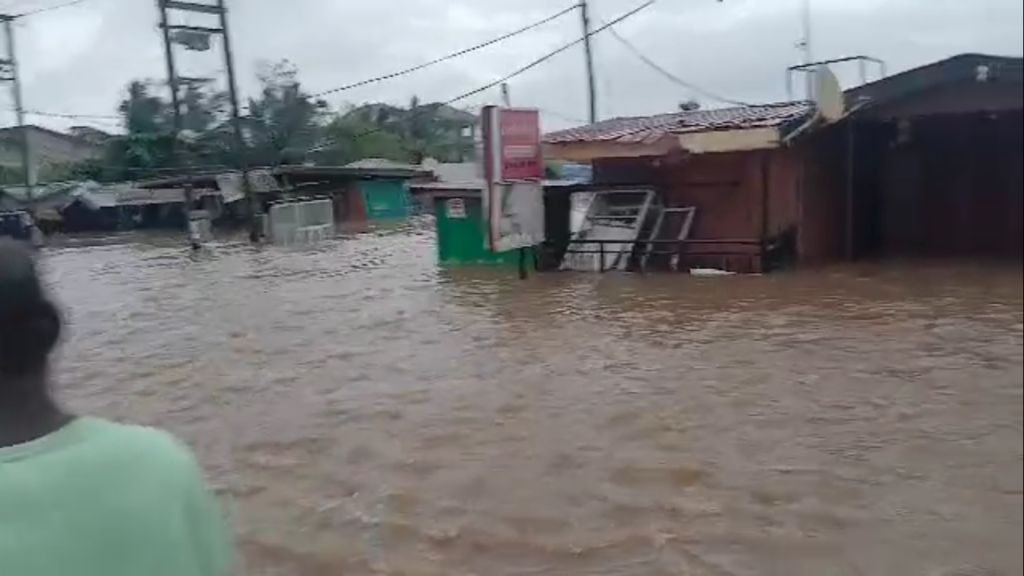

The Hydrological Authority has stressed that addressing Ghana’s persistent flooding challenges requires a significant change in public behaviour alongside investments in engineering and drainage infrastructure.
According to the Authority, while the government continues to undertake major flood-control projects, including the construction and rehabilitation of drains and the dredging of waterways, these interventions alone will not eliminate flooding if residents continue to engage in practices that obstruct the free flow of water.
Officials noted that indiscriminate dumping of refuse into drains, the erection of structures on waterways and flood plains, and poor environmental sanitation remain major contributors to flooding in many parts of the country, particularly in urban centres.
They explained that engineering solutions can only be effective when supported by responsible human behaviour, urging citizens to take greater ownership of their surroundings by keeping drains free from waste and complying with planning and environmental regulations.
The Authority further called on Metropolitan, Municipal and District Assemblies (MMDAs) to strengthen the enforcement of building regulations and prevent developments on watercourses and other unauthorised locations that increase flood risks.
It also appealed to communities to participate in regular clean-up exercises and public education campaigns aimed at promoting proper waste disposal and environmental stewardship.
The Hydrological Authority reiterated that sustainable flood management depends on a collective effort involving government agencies, local authorities, traditional leaders and the public.
The Authority assured Ghanaians that it would continue collaborating with relevant institutions to improve drainage infrastructure, monitor flood-prone areas and implement long-term measures to enhance the country’s resilience to flooding, while urging everyone to play their part in protecting lives and property during the rainy season.
Source
