
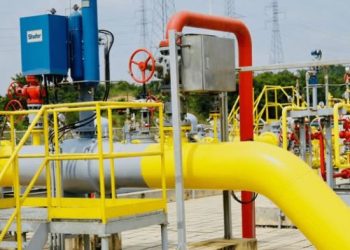

The Government of Ghana has announced plans to support the expansion of the West African Gas Pipeline (WAGP) as part of efforts to strengthen regional energy security, improve access to natural gas, and boost economic growth across West Africa.
The proposal was disclosed during discussions involving energy sector stakeholders and regional partners, where officials highlighted the strategic importance of expanding the existing pipeline network to meet the growing energy demands of countries within the sub-region.
According to government officials, the planned expansion is expected to increase the capacity of the pipeline, enhance the reliability of gas supply to participating countries, and support industrial development. The initiative is also aimed at reducing dependence on more expensive fuel sources for electricity generation while promoting cleaner energy alternatives.
The West African Gas Pipeline currently transports natural gas from Nigeria to Ghana through Benin and Togo, serving as a key component of the region’s energy infrastructure. However, increasing demand for power and industrial energy has prompted calls for further investment and expansion of the network.
Government representatives noted that the proposed project aligns with broader regional integration goals and would facilitate greater collaboration among member states. They added that expanding the pipeline could attract additional investment into the energy sector and create employment opportunities during both the construction and operational phases.
Energy experts have welcomed the proposal, arguing that a more robust gas transportation network would help stabilize power generation, reduce energy costs, and improve competitiveness for industries across the region.
The government indicated that consultations with regional partners, investors, and relevant institutions are ongoing to determine the scope, financing arrangements, and implementation timeline for the expansion project.
Once completed, the expanded West African Gas Pipeline is expected to play a significant role in enhancing energy access, supporting economic development, and advancing regional cooperation within the Economic Community of West African States (ECOWAS).
