

Urban development expert Dr. Noriss K. Hammah has called on Ghana to consider the construction of a smart tunnel system similar to the one used in Kuala Lumpur, Malaysia, as a long-term solution to the persistent flooding that continues to plague Accra and other major cities.
In an opinion piece examining Ghana’s recurring flood challenges, Dr. Hammah argued that traditional drainage projects alone may no longer be sufficient to address the increasing frequency and severity of flooding, particularly in the capital city where rapid urbanisation, poor planning, and climate-related factors continue to exacerbate the problem.
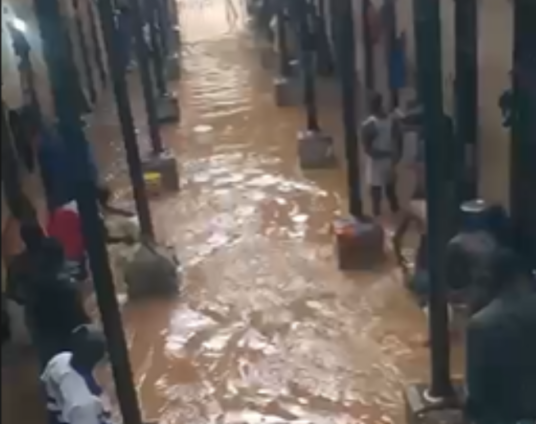
According to him, Accra experiences devastating floods almost every rainy season, resulting in loss of lives, destruction of property, traffic disruptions, and significant economic setbacks. He noted that despite numerous interventions over the years, the city remains vulnerable to flood disasters.
Drawing lessons from Kuala Lumpur, Dr. Hammah highlighted the success of the city’s Stormwater Management and Road Tunnel (SMART) system, a multi-purpose underground infrastructure designed to both manage floodwaters and serve as a transportation corridor.
He explained that the tunnel is capable of diverting excess stormwater away from flood-prone areas during heavy rainfall while functioning as a roadway under normal conditions. This dual-purpose design, he said, has significantly reduced flooding in Kuala Lumpur and improved urban mobility.
Dr. Hammah believes Ghana could adapt a similar model to suit local conditions, particularly in flood-prone sections of Accra where existing drainage systems are often overwhelmed during intense rainfall.
He argued that while the cost of such an infrastructure project may be substantial, the long-term benefits would outweigh the investment by reducing annual flood-related losses, protecting lives and property, and improving the resilience of urban communities.
The urban planning expert also stressed the need for government authorities to adopt a more forward-looking approach to infrastructure development, rather than relying solely on reactive measures after floods occur.
He further called for stronger enforcement of building regulations, the protection of waterways, improved waste management systems, and the prevention of illegal construction on drainage channels.
According to Dr. Hammah, technological innovation and strategic urban planning must become central pillars of Ghana’s flood management strategy if the country hopes to address the challenge sustainably.
He urged policymakers, engineers, environmental experts, and city planners to study successful international models and explore how modern flood-control infrastructure can be incorporated into Ghana’s development agenda.
The proposal comes amid renewed discussions about flood prevention following recent heavy rains that affected several communities in Accra, once again raising concerns about the city’s preparedness for extreme weather events.
Dr. Hammah concluded that Ghana has an opportunity to transform its approach to urban flood management by embracing innovative engineering solutions, arguing that a smart tunnel system could become a landmark project capable of reshaping Accra’s future and safeguarding generations to come.
