
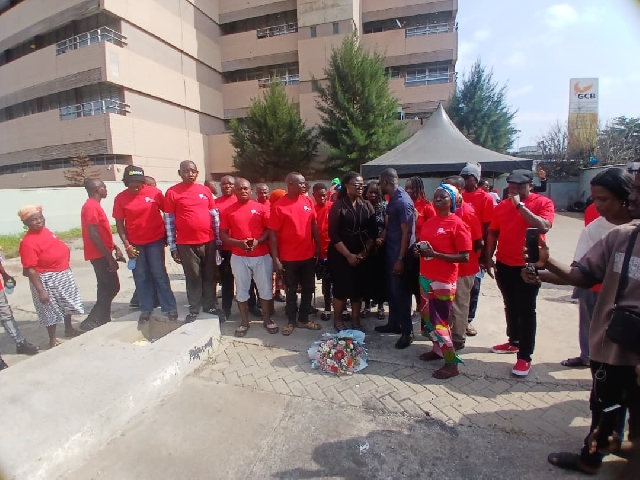

Nearly eight years after survivors and families affected by the devastating June 3 disaster began their legal quest for justice, hopes are rising that a long-awaited court judgment could finally bring closure to one of Ghana’s deadliest tragedies.
The victims, who have been pursuing a GH¢40 million compensation claim against state institutions and other parties they believe were responsible for the disaster, are now closer than ever to receiving a verdict as the case approaches judgment.
The lawsuit stems from the catastrophic June 3, 2015 twin disaster, when heavy flooding combined with a massive explosion at a fuel station near Kwame Nkrumah Circle in Accra claimed more than 150 lives and left hundreds injured. The tragedy shocked the nation and sparked widespread calls for accountability and improved disaster management measures.
Following the incident, a group of survivors and relatives of deceased victims initiated legal action, arguing that negligence on the part of relevant authorities contributed significantly to the scale of the disaster. They have since sought compensation amounting to GH¢40 million for loss of lives, injuries, trauma, and property damage.
However, the legal proceedings have dragged on for years, with numerous hearings, legal arguments, and procedural delays prolonging the wait for justice. For many of the victims and their families, the lengthy court process has compounded the emotional and financial burdens they have endured since the tragedy.
Lawyers representing the victims have consistently maintained that those affected deserve compensation and accountability, emphasizing that the disaster could have been mitigated through proper planning, enforcement of regulations, and timely intervention by authorities.
As the court prepares to deliver its judgment, expectations among the victims remain high. Many see the upcoming ruling as a critical test of accountability and an opportunity to finally obtain recognition for the suffering they have endured over the past eight years.
The impending judgment is expected to determine whether the plaintiffs’ claims are upheld and whether compensation will be awarded. Whatever the outcome, the decision is likely to mark a significant chapter in the long-running legal battle arising from one of Ghana’s most tragic disasters.
For survivors and bereaved families, the hope remains that justice delayed will not ultimately become justice denied.
